
📷 Image: Wikimedia Commons / Appaloosa
Travel
Chhattisgarh Opens Indravati Tiger Reserve to Tourists as Maoist Threat Diminishes
✍️ Hindustan Times
🗓 01 Nov 2026, 11:17 AM
👁 18
The state government has announced that the Indravati tiger reserve is now open for visitors, citing a reduction in Maoist activity in the area.
Chhattisgarh's forest department confirmed that the Indravati tiger reserve, located in the state's remote interior, will welcome tourists following a noticeable decline in Maoist presence. Officials said the decision reflects improved security conditions and aims to promote eco‑tourism in the region.
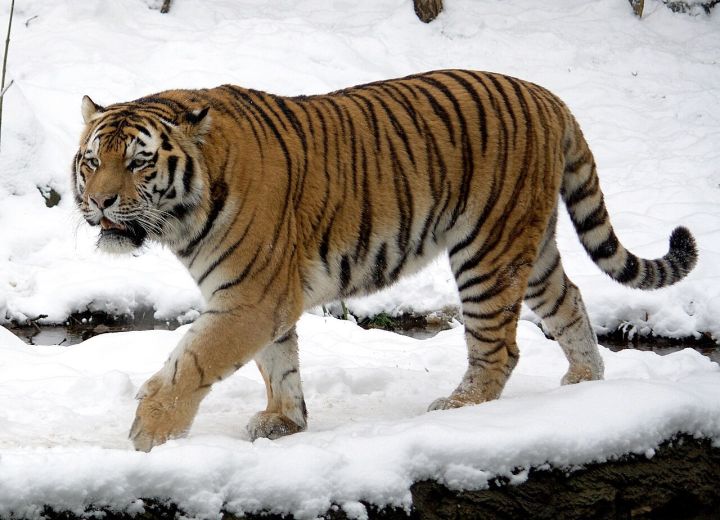
The reserve, known for its rich biodiversity and tiger population, had remained largely inaccessible to the public for years due to safety concerns. With the Maoist threat receding, authorities plan to develop basic visitor facilities while ensuring strict wildlife protection measures.
State officials emphasized that tourism will be managed responsibly, with guided tours and limited entry points to minimize disturbance to the habitat. The move is expected to generate local employment and boost the state's nature‑based tourism offerings.
Environmental groups welcomed the opening, urging continuous monitoring to balance conservation with visitor influx. The forest department will coordinate with security agencies to maintain a safe environment for both wildlife and tourists.
The initiative marks a shift in the region's narrative, moving from conflict‑driven restrictions to a focus on sustainable tourism and wildlife preservation.