
📷 Image: Wikimedia Commons / Joli
Travel
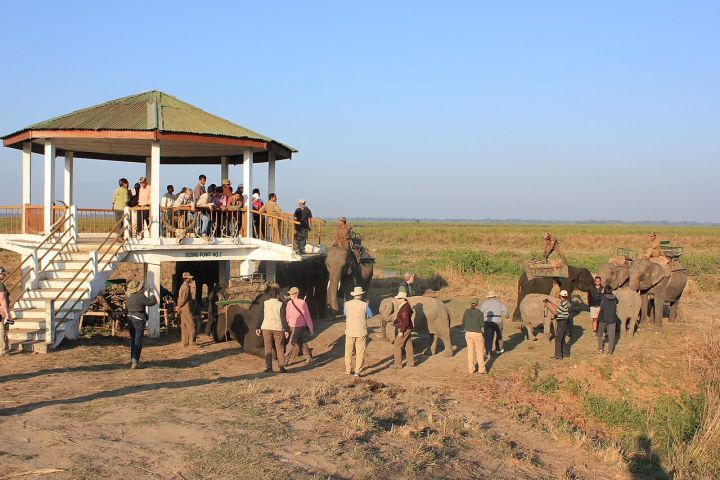
Kaziranga National Park launches new tourism season with 43 elephants for safaris
✍️ India Today NE
🗓 01 Nov 2026, 11:02 AM
👁 18
The 2024 tourism season at Kaziranga National Park has begun, with 43 trained elephants assigned to conduct safari rides for visitors.
Kaziranga National Park in Assam opened its 2024 tourism season by deploying a fleet of 43 trained elephants to lead safari excursions for tourists. The move marks the park's first major wildlife‑tourism initiative of the year, aiming to blend visitor experience with the park’s long‑standing elephant management program.
The park, a UNESCO World Heritage site famed for its one‑horned rhinoceros, has long used elephants for patrolling and guiding. This season, the elephants will be equipped with safety gear and will follow designated routes that allow guests to observe the park’s diverse fauna while minimizing disturbance to sensitive habitats.
Park officials expect the elephant‑led safaris to attract both domestic and international travelers seeking a traditional yet controlled wildlife experience. They have also emphasized strict adherence to safety protocols, including limits on group size and mandatory briefings for all participants.
Conservationists welcomed the initiative, noting that regulated tourism can generate revenue for anti‑poaching efforts and community development, provided it remains ecologically responsible.
The season will run through the winter months, with daily departures from the main entry points, and visitors are advised to book in advance as demand is projected to be high.