
📷 Image: Wikimedia Commons / NOAA
Weather
Why Cyclones Repeatedly Strike India's East Coast: Odisha, Andhra Pradesh, Tamil Nadu
✍️ Brut
🗓 25 Sep 2026, 08:38 AM
👁 7
A new analysis examines the climatic and geographic factors that make Odisha, Andhra Pradesh and Tamil Nadu vulnerable to frequent cyclones from the Bay of Bengal.
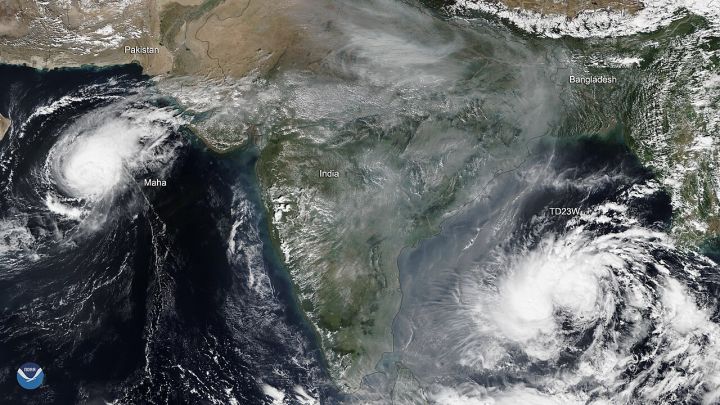
The east coast of India has witnessed a series of cyclonic disturbances that repeatedly affect the states of Odisha, Andhra Pradesh and Tamil Nadu. Experts point to a combination of oceanic and atmospheric conditions that make the Bay of Bengal a fertile breeding ground for these storms.
Warm sea‑surface temperatures in the Bay of Bengal provide the energy needed for cyclones to develop and intensify. The coastal shelf in this region is relatively shallow, allowing heat from the water to be transferred quickly to the lower atmosphere, a key ingredient for storm formation.
During the pre‑monsoon and post‑monsoon periods, prevailing wind patterns steer low‑pressure systems from the ocean toward the Indian subcontinent. The monsoon trough often aligns with the coastline, guiding cyclones directly onto the eastern states.
Scientists also note that climate change is amplifying these natural processes, leading to higher sea temperatures and more moisture in the atmosphere, which can increase both the frequency and intensity of cyclones.
Given these recurring threats, authorities in Odisha, Andhra Pradesh and Tamil Nadu continue to strengthen early‑warning systems and coastal infrastructure to mitigate loss of life and property.
Warm sea‑surface temperatures in the Bay of Bengal provide the energy needed for cyclones to develop and intensify. The coastal shelf in this region is relatively shallow, allowing heat from the water to be transferred quickly to the lower atmosphere, a key ingredient for storm formation.
During the pre‑monsoon and post‑monsoon periods, prevailing wind patterns steer low‑pressure systems from the ocean toward the Indian subcontinent. The monsoon trough often aligns with the coastline, guiding cyclones directly onto the eastern states.
Scientists also note that climate change is amplifying these natural processes, leading to higher sea temperatures and more moisture in the atmosphere, which can increase both the frequency and intensity of cyclones.
Given these recurring threats, authorities in Odisha, Andhra Pradesh and Tamil Nadu continue to strengthen early‑warning systems and coastal infrastructure to mitigate loss of life and property.