
📷 Image: Wikimedia Commons / NOAA
Weather
Thunderstorm Warning Issued as Weakening Depression Moves Over Odisha
✍️ Pragativadi
🗓 28 Sep 2026, 08:17 PM
👁 9
The India Meteorological Department has issued a thunderstorm warning for Odisha as a weakening depression approaches the state.
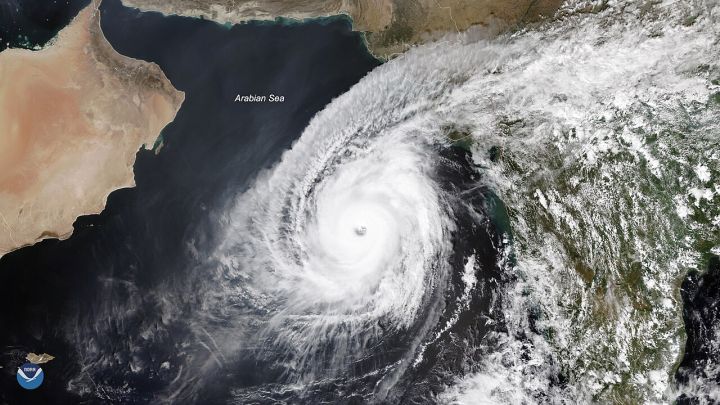
The India Meteorological Department (IMD) released an alert on Thursday, announcing a thunderstorm warning for the coastal and interior districts of Odisha. The warning follows the tracking of a low‑pressure system that has entered the Bay of Bengal and is now moving north‑westward toward the state.
Meteorologists note that the depression, which earlier displayed moderate intensity, has begun to lose strength as it encounters cooler sea‑surface temperatures. Despite the weakening trend, the system is expected to generate scattered to widespread thunderstorms, heavy rain and gusty winds across Odisha over the next 24‑48 hours.
Authorities have advised residents to stay indoors during severe weather, secure loose objects, and avoid travel on exposed roads. Emergency services are on standby to respond to any incidents caused by sudden downpours or lightning strikes.
The IMD will continue to monitor the system and update the public should conditions change, urging people to follow official advisories through local media and the department’s mobile alerts.
Meteorologists note that the depression, which earlier displayed moderate intensity, has begun to lose strength as it encounters cooler sea‑surface temperatures. Despite the weakening trend, the system is expected to generate scattered to widespread thunderstorms, heavy rain and gusty winds across Odisha over the next 24‑48 hours.
Authorities have advised residents to stay indoors during severe weather, secure loose objects, and avoid travel on exposed roads. Emergency services are on standby to respond to any incidents caused by sudden downpours or lightning strikes.
The IMD will continue to monitor the system and update the public should conditions change, urging people to follow official advisories through local media and the department’s mobile alerts.