
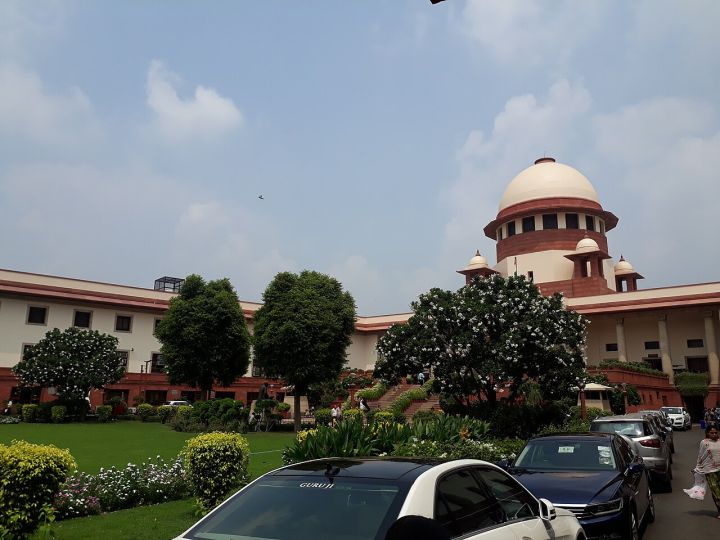
📷 Image: Wikimedia Commons / Pinakpani
Politics
Supreme Court says Jharkhand DGP appointment may breach Prakash Singh judgment
✍️ Indianmasterminds
🗓 11 Oct 2026, 10:02 AM
👁 15
The apex court issued a notice to Tadasha Mishra, questioning the legality of the recent DGP appointment in Jharkhand for potentially contravening the Prakash Singh guidelines on police reforms.
The Supreme Court of India has intervened in the recent appointment of the Director General of Police (DGP) in Jharkhand, stating that the decision appears prima facie to violate the Prakash Singh judgment on police reforms.
The bench observed that the Prakash Singh ruling, delivered in 2006, requires transparent, merit‑based selection of senior police officers and seeks to insulate the police from undue political influence. The court therefore questioned whether the Jharkhand government's process complied with these statutory safeguards.
A notice has been issued to Tadasha Mishra, the official responsible for the appointment, directing him to appear before the court and furnish all relevant documents and justifications for the selection.
Legal experts note that the case underscores the continuing tension between state governments and the judiciary over the autonomy of police leadership. Any adverse finding could compel the state to revisit the appointment and set a precedent for other states.
The matter will be listed for further hearing, and the court may issue a final order that could reshape the procedural framework for police appointments nationwide.
The bench observed that the Prakash Singh ruling, delivered in 2006, requires transparent, merit‑based selection of senior police officers and seeks to insulate the police from undue political influence. The court therefore questioned whether the Jharkhand government's process complied with these statutory safeguards.
A notice has been issued to Tadasha Mishra, the official responsible for the appointment, directing him to appear before the court and furnish all relevant documents and justifications for the selection.
Legal experts note that the case underscores the continuing tension between state governments and the judiciary over the autonomy of police leadership. Any adverse finding could compel the state to revisit the appointment and set a precedent for other states.
The matter will be listed for further hearing, and the court may issue a final order that could reshape the procedural framework for police appointments nationwide.