
📷 Image: Wikimedia Commons / Subhashish Panigrahi
National
Supreme Court Orders Unified Road Accident Portals to Tackle Fake Claims
✍️ LawChakra
🗓 11 Oct 2026, 07:48 PM
👁 13
The Supreme Court has directed the integration of all state road accident portals, mandating insurers to comply or face contempt proceedings, aiming to curb fraudulent claims.
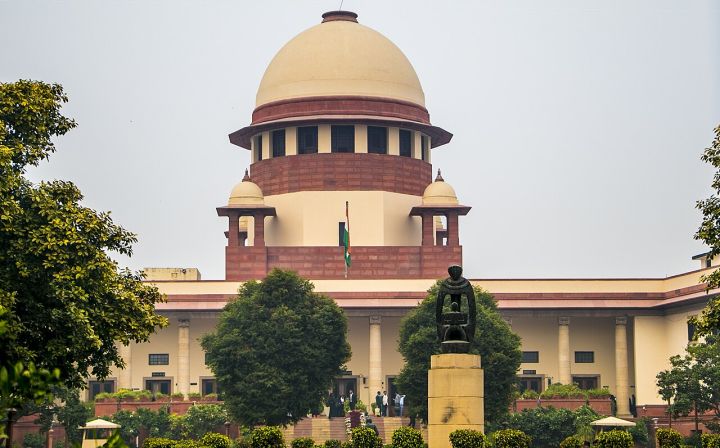
The Supreme Court of India today issued a landmark ruling requiring the consolidation of all state road accident portals into a single, unified platform. The directive aims to streamline claim processing and eliminate the proliferation of fake claims that have burdened insurers and taxpayers alike.
In its judgment, the Court highlighted that the current fragmented system allows unscrupulous parties to submit multiple, often fabricated, claims for the same incident. By integrating the portals, the Court hopes to create a transparent, verifiable record of accidents and associated claims.
Insurers are now instructed to submit all claim data through the unified portal and to provide real‑time updates. Failure to comply will result in contempt notices, and the Court has warned that repeated non‑compliance could lead to stricter penalties, including fines and suspension of license.
The move is expected to reduce the administrative burden on insurers, cut down fraudulent payouts, and ultimately protect honest policyholders from inflated premiums.
In its judgment, the Court highlighted that the current fragmented system allows unscrupulous parties to submit multiple, often fabricated, claims for the same incident. By integrating the portals, the Court hopes to create a transparent, verifiable record of accidents and associated claims.
Insurers are now instructed to submit all claim data through the unified portal and to provide real‑time updates. Failure to comply will result in contempt notices, and the Court has warned that repeated non‑compliance could lead to stricter penalties, including fines and suspension of license.
The move is expected to reduce the administrative burden on insurers, cut down fraudulent payouts, and ultimately protect honest policyholders from inflated premiums.