
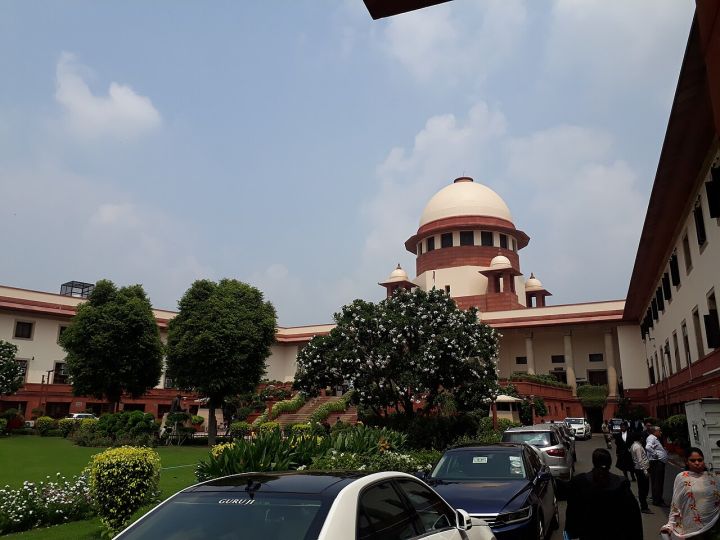
📷 Image: Wikimedia Commons / Pinakpani
Crime
Supreme Court asks Kerala to respond to death‑row convict's transfer plea
✍️ The Economic Times
🗓 25 Aug 2026, 03:35 AM
👁 33
The Supreme Court has issued a notice seeking the Kerala government's reply to a petition filed by a death‑row prisoner requesting a transfer of his confinement.
The Supreme Court of India has formally asked the Kerala state authorities to submit their response to a petition filed by a prisoner on death row. The petitioner seeks to have his place of incarceration shifted, citing reasons that have not been disclosed in the public domain.
The court's order, dated recently, directs the Kerala government to provide its observations within a stipulated timeframe. This procedural step is part of the judiciary's routine review of transfer applications, especially when they involve inmates sentenced to capital punishment.
Legal experts note that such requests are examined on grounds of security, health, or humanitarian considerations, though the specific arguments presented by the convict remain confidential. The Supreme Court's directive ensures that the state's perspective is recorded before any further judicial determination.
The matter underscores the interplay between the highest court and state governments in handling sensitive criminal cases, reflecting the layered nature of India's legal system.
The court's order, dated recently, directs the Kerala government to provide its observations within a stipulated timeframe. This procedural step is part of the judiciary's routine review of transfer applications, especially when they involve inmates sentenced to capital punishment.
Legal experts note that such requests are examined on grounds of security, health, or humanitarian considerations, though the specific arguments presented by the convict remain confidential. The Supreme Court's directive ensures that the state's perspective is recorded before any further judicial determination.
The matter underscores the interplay between the highest court and state governments in handling sensitive criminal cases, reflecting the layered nature of India's legal system.