
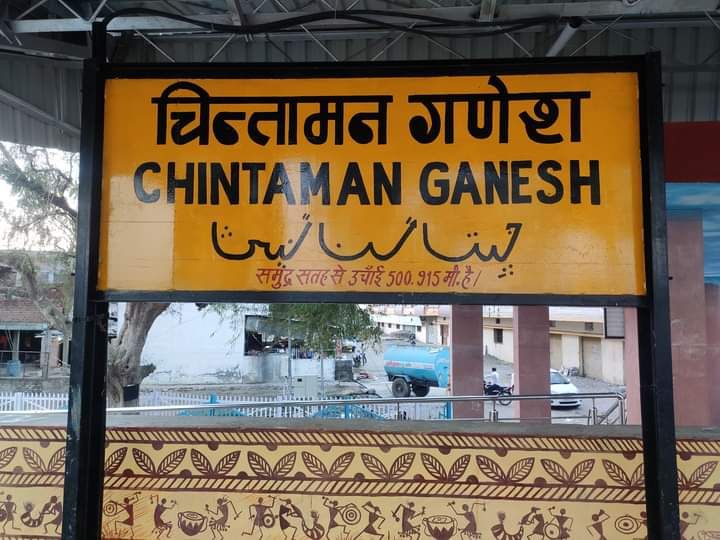
📷 Image: Wikimedia Commons / Shikhar king
Religion
Sehore’s Chintaman Ganesh Temple: Devotees Seek Wishes with Inverted Swastika
✍️ Amar Ujala · Madhya Pradesh
🗓 14 Sep 2026, 06:15 PM
👁 6
At the ancient Chintaman Ganesh temple in Sehore, devotees draw an inverted swastika to request blessings. Once their wish is granted, they replace it with a straight swastika as a sign of fulfillment.
The Chintaman Ganesh temple in Sehore, Madhya Pradesh, is renowned for a unique ritual that attracts devotees from across the region. Before offering prayers, worshippers sketch an inverted swastika on the temple floor, symbolising a wish or request to Lord Ganesh.
The inverted symbol is believed to represent the seeker’s desire in its raw, unfulfilled state. When the devotee’s wish is realised, they replace the inverted swastika with a straight one, signifying the completion of the request and the deity’s grace.
The temple’s management has noted a steady flow of pilgrims, especially during the annual Ganesh festival, which spans twelve days. Each day features special adornments of the deity and a grand mahāarti, drawing crowds eager to witness the symbolic transformation of the swastika.
Local priests explain that the practice is rooted in ancient traditions, where the inverted swastika denotes the initial yearning, and the straight swastika reflects the divine fulfilment. The ritual has become a hallmark of the temple’s spiritual identity.
Visitors often leave with a sense of closure, carrying the memory of the inverted swastika that once marked their longing and the straight swastika that now marks their gratitude.
The inverted symbol is believed to represent the seeker’s desire in its raw, unfulfilled state. When the devotee’s wish is realised, they replace the inverted swastika with a straight one, signifying the completion of the request and the deity’s grace.
The temple’s management has noted a steady flow of pilgrims, especially during the annual Ganesh festival, which spans twelve days. Each day features special adornments of the deity and a grand mahāarti, drawing crowds eager to witness the symbolic transformation of the swastika.
Local priests explain that the practice is rooted in ancient traditions, where the inverted swastika denotes the initial yearning, and the straight swastika reflects the divine fulfilment. The ritual has become a hallmark of the temple’s spiritual identity.
Visitors often leave with a sense of closure, carrying the memory of the inverted swastika that once marked their longing and the straight swastika that now marks their gratitude.