
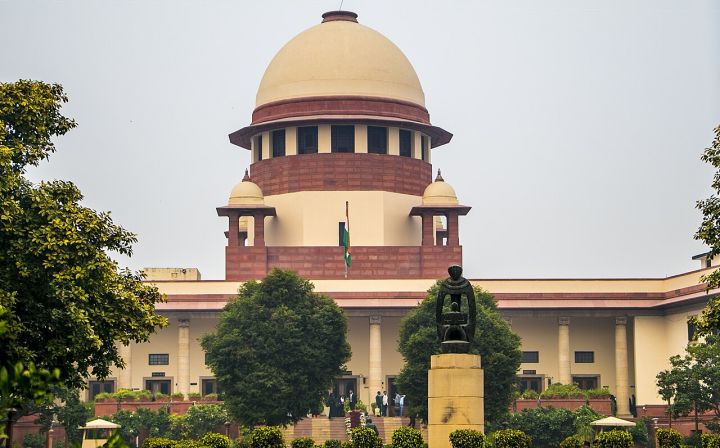
📷 Image: Wikimedia Commons / Subhashish Panigrahi
Crime
Section 133 CrPC Preliminary Order Deemed Essential for Public Removal Proceedings, Says Live Law
✍️ Live Law
🗓 15 Oct 2026, 12:32 AM
👁 11
Legal analysis on Live Law emphasizes that a preliminary order under Section 133 of the Criminal Procedure Code is a prerequisite for any petition seeking the removal of a public official.
A recent article on Live Law has clarified that courts must first issue a preliminary order under Section 133 of the Criminal Procedure Code before entertaining any petition that seeks the removal of a public servant. The commentary underscores that such an order is not merely procedural but a sine qua non for the entire removal process.
Section 133 CrPC empowers a magistrate to order the removal of a public official after a preliminary hearing, provided there is prima facie evidence of misconduct, inefficiency or other grounds specified in the law. The order serves as a safeguard, ensuring that the accused official is given an opportunity to be heard before any drastic action is taken.
Legal experts say this clarification will curb premature or frivolous removal petitions and reinforce procedural fairness. With a rise in petitions targeting officials across various departments, the requirement of a Section 133 preliminary order is expected to streamline proceedings and protect the rights of both the state and the individual concerned.
The Live Law piece also notes that adherence to this requirement will likely influence lower courts and tribunals, prompting them to seek the requisite preliminary order before proceeding with substantive removal hearings.
Section 133 CrPC empowers a magistrate to order the removal of a public official after a preliminary hearing, provided there is prima facie evidence of misconduct, inefficiency or other grounds specified in the law. The order serves as a safeguard, ensuring that the accused official is given an opportunity to be heard before any drastic action is taken.
Legal experts say this clarification will curb premature or frivolous removal petitions and reinforce procedural fairness. With a rise in petitions targeting officials across various departments, the requirement of a Section 133 preliminary order is expected to streamline proceedings and protect the rights of both the state and the individual concerned.
The Live Law piece also notes that adherence to this requirement will likely influence lower courts and tribunals, prompting them to seek the requisite preliminary order before proceeding with substantive removal hearings.