
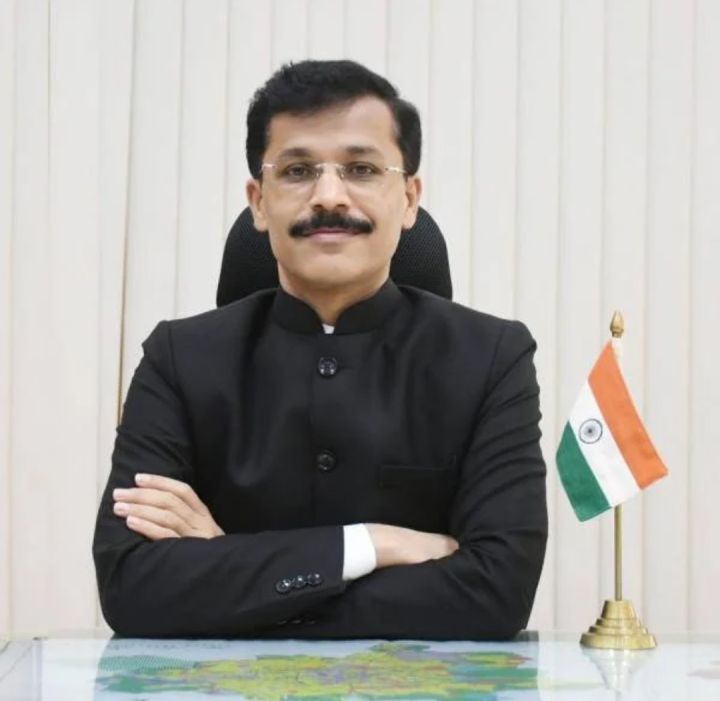
📷 Image: Wikimedia Commons / Alok Singh Oberoi
Jobs & Career
IAS Officer Tukaram Mundhe, ‘Singham’, Re‑emerges After 25 Transfers
✍️ The Times of India
🗓 19 Aug 2026, 08:03 PM
👁 38
Tukaram Mundhe, known as ‘IAS Singham’, has drawn attention again after a career that began in a village school and saw him move through 25 different administrative postings.
Tukaram Mundhe, the IAS officer dubbed ‘Singham’ for his strict administrative style, has resurfaced in the media spotlight after a career that started in a modest village school. Born and raised in a rural setting, Mundhe joined the Indian Administrative Service in 2005 and has since served in 25 different districts across the country.
His postings have spanned a range of departments, from rural development to urban planning, earning him a reputation for decisive action and a no‑tolerance approach to corruption. The nickname ‘Singham’ reflects the public perception of his firm leadership, reminiscent of the popular action hero.
Mundhe’s latest transfer, to the state’s revenue department, has sparked renewed interest in his work. Analysts note that his extensive experience across varied administrative roles positions him as a key player in implementing reforms at the state level.
The Times of India’s recent feature highlighted his journey from a village school to the upper echelons of the civil service, emphasizing the challenges he has faced and the impact of his policies on local governance.
His postings have spanned a range of departments, from rural development to urban planning, earning him a reputation for decisive action and a no‑tolerance approach to corruption. The nickname ‘Singham’ reflects the public perception of his firm leadership, reminiscent of the popular action hero.
Mundhe’s latest transfer, to the state’s revenue department, has sparked renewed interest in his work. Analysts note that his extensive experience across varied administrative roles positions him as a key player in implementing reforms at the state level.
The Times of India’s recent feature highlighted his journey from a village school to the upper echelons of the civil service, emphasizing the challenges he has faced and the impact of his policies on local governance.