
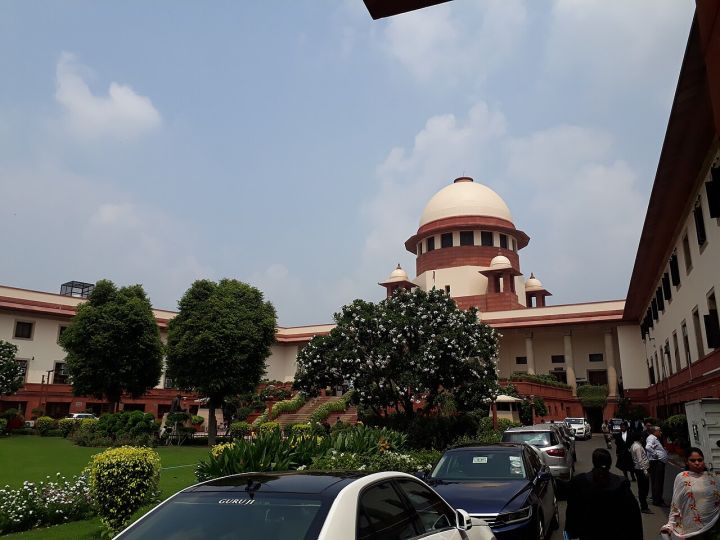
📷 Image: Wikimedia Commons / Pinakpani
Jobs & Career
Government Appeals to Supreme Court Over High Court Ruling on Full Probation Salary
✍️ Amar Ujala · Madhya Pradesh
🗓 17 Sep 2026, 09:45 AM
👁 10
The central government has filed a petition in the Supreme Court contesting a 2019 High Court order that mandates 100% salary for employees on probation from the date of appointment.
The government has approached the Supreme Court seeking relief from a 2019 judgment of a High Court that requires employees serving their probationary period to receive their full salary from the day they join. The petition argues that the order overturns the long‑standing practice of paying 70‑80‑90% of the salary during probation and places an undue burden on the exchequer.
The High Court ruling, delivered in 2019, directed that the salary differential for probationers be eliminated, effectively granting them the same remuneration as permanent staff from the first day of appointment. This decision was hailed by employee unions but raised concerns among fiscal authorities.
According to the government, implementing the directive across the public sector would significantly increase payroll outlays, affecting the fiscal deficit and diverting resources from other priority programmes. The petition seeks a stay on the order until the Supreme Court can examine its constitutional and financial implications.
Legal experts note that the case could set a precedent for employment terms in the civil services, influencing future salary structures and recruitment policies nationwide.
The High Court ruling, delivered in 2019, directed that the salary differential for probationers be eliminated, effectively granting them the same remuneration as permanent staff from the first day of appointment. This decision was hailed by employee unions but raised concerns among fiscal authorities.
According to the government, implementing the directive across the public sector would significantly increase payroll outlays, affecting the fiscal deficit and diverting resources from other priority programmes. The petition seeks a stay on the order until the Supreme Court can examine its constitutional and financial implications.
Legal experts note that the case could set a precedent for employment terms in the civil services, influencing future salary structures and recruitment policies nationwide.