
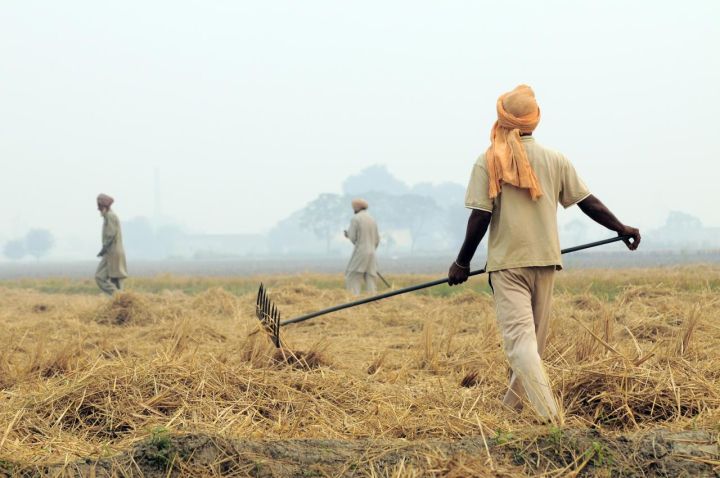
📷 Image: Wikimedia Commons / CIAT
Agriculture
Eight New Stubble Burning Cases Registered in Punjab
✍️ The Times of India
🗓 28 Sep 2026, 01:32 AM
👁 10
Punjab authorities have filed eight fresh cases against farmers for burning crop residue, highlighting ongoing enforcement of anti‑burning regulations.
The Punjab police have opened eight new legal cases this week concerning the illegal burning of crop stubble. The incidents were reported across several districts, where authorities observed farmers setting fire to post‑harvest residue, a practice that contributes to severe air pollution during the winter months.
Under the state's anti‑burning guidelines, offenders face penalties that may include fines and possible imprisonment, aimed at curbing the practice that hampers air quality and public health. The newly registered cases add to a growing list of prosecutions as officials intensify monitoring ahead of the upcoming harvest season.
Environmental groups have repeatedly warned that stubble burning releases large quantities of particulate matter and greenhouse gases, exacerbating smog conditions in northern India. The police statement indicated that evidence, including photographs and eyewitness accounts, has been collected to support the charges.
The state government continues to promote alternative residue management methods, such as machine‑assisted removal and the use of bio‑decomposers, but compliance remains a challenge among small‑scale farmers. The latest legal actions underscore the administration's resolve to enforce existing regulations and protect air quality for the region's residents.
Under the state's anti‑burning guidelines, offenders face penalties that may include fines and possible imprisonment, aimed at curbing the practice that hampers air quality and public health. The newly registered cases add to a growing list of prosecutions as officials intensify monitoring ahead of the upcoming harvest season.
Environmental groups have repeatedly warned that stubble burning releases large quantities of particulate matter and greenhouse gases, exacerbating smog conditions in northern India. The police statement indicated that evidence, including photographs and eyewitness accounts, has been collected to support the charges.
The state government continues to promote alternative residue management methods, such as machine‑assisted removal and the use of bio‑decomposers, but compliance remains a challenge among small‑scale farmers. The latest legal actions underscore the administration's resolve to enforce existing regulations and protect air quality for the region's residents.