
📷 Image: Wikimedia Commons / Prami.ap90
Weather
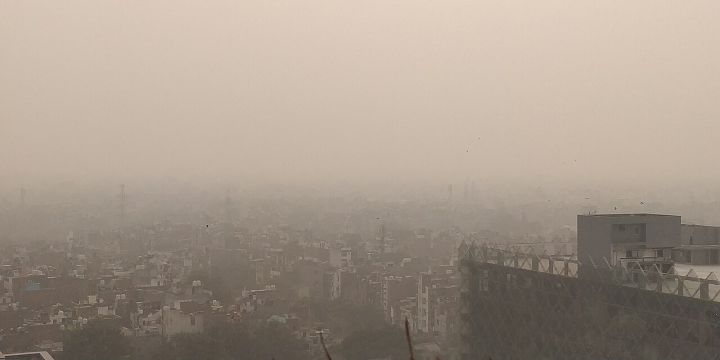
Delhi's AQI stays at 'poor' level of 226 as DMRC adds 20 extra Metro trips under GRAP-I
✍️ News9live
🗓 22 Oct 2026, 09:16 AM
👁 16
The capital's air quality index held at a poor rating of 226, prompting the Delhi Metro Rail Corporation to introduce 20 additional trips under the Graded Response Action Plan‑I across the NCR.
Delhi's air quality index (AQI) remained in the 'poor' category at 226 on Monday, reflecting high levels of particulate matter and other pollutants across the National Capital Region. The reading, released by the Central Pollution Control Board, places the city well above the safe limit defined by the National Ambient Air Quality Standards.
In response, the Delhi Metro Rail Corporation (DMRC) announced the addition of 20 extra train trips on its network, a measure stipulated under the Graded Response Action Plan‑I (GRAP‑I). The plan activates additional public transport services when AQI crosses the threshold of 201, aiming to reduce private vehicle usage and curb emissions.
The extra services are being deployed on high‑traffic corridors during peak hours, with the expectation of providing commuters with more frequent and reliable options. DMRC officials said the move is part of a coordinated effort with the Delhi government and the Ministry of Environment, Forest and Climate Change to mitigate the health impact of poor air quality.
Health experts have warned that prolonged exposure to such AQI levels can aggravate respiratory conditions, especially among children, the elderly, and those with pre‑existing ailments. The authorities continue to monitor the situation and have urged residents to limit outdoor activities and use masks when venturing outside.
The AQI is expected to be reviewed later in the day, and further actions under GRAP‑I will be considered if the index remains above the critical threshold.