
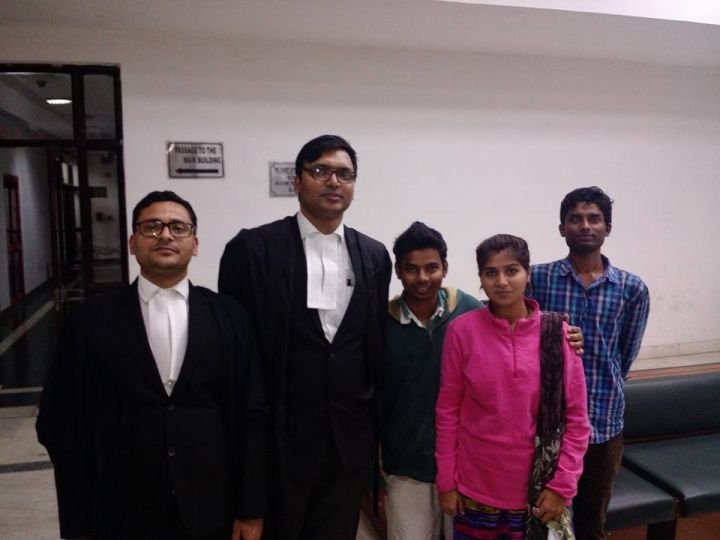
📷 Image: Wikimedia Commons / Kamlesh.legalaid
Crime
Court Rules Illegal Search Not Sufficient to Dismiss PNDT Act Complaint
✍️ Live Law
🗓 19 Sep 2026, 06:46 AM
👁 13
The Delhi High Court held that an illegal search does not automatically lead to the quashing of a criminal complaint filed under the Pre‑Natal Diagnostic Techniques (PNDT) Act.
The Delhi High Court delivered a judgment clarifying that the mere illegality of a search does not, by itself, mandate the dismissal of a criminal complaint under the Pre‑Natal Diagnostic Techniques (PNDT) Act. The bench examined a petition seeking quashing of a case on the ground that evidence was obtained through an unlawful search.
While acknowledging the procedural lapse, the court emphasized that the statutory framework of the PNDT Act requires a separate assessment of the merits of the complaint, including the intent to procure sex‑selective abortions. It noted that the act of illegal search, though serious, cannot be the sole basis for overturning a prosecution that is otherwise supported by substantive allegations.
The ruling underscores the judiciary's approach of balancing procedural safeguards with the legislative intent to curb gender‑biased prenatal practices. Legal experts anticipate that the decision will guide lower courts in handling similar challenges where evidentiary violations are alleged in PNDT‑related cases.
While acknowledging the procedural lapse, the court emphasized that the statutory framework of the PNDT Act requires a separate assessment of the merits of the complaint, including the intent to procure sex‑selective abortions. It noted that the act of illegal search, though serious, cannot be the sole basis for overturning a prosecution that is otherwise supported by substantive allegations.
The ruling underscores the judiciary's approach of balancing procedural safeguards with the legislative intent to curb gender‑biased prenatal practices. Legal experts anticipate that the decision will guide lower courts in handling similar challenges where evidentiary violations are alleged in PNDT‑related cases.