
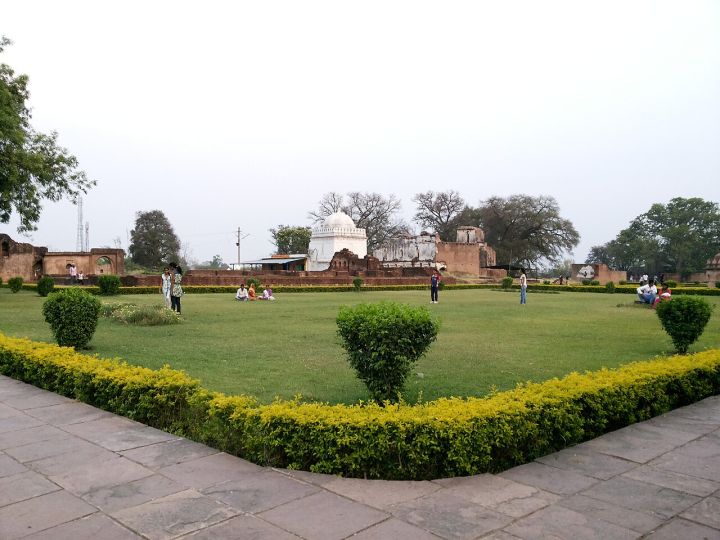
📷 Image: Wikimedia Commons / Sajidubaid
Religion
Chhattisgarh Announces 1,000‑km Aastha Path Linking Five Shaktipeeths, Allocates ₹5 Crore, ₹200 Crore for Ratanpur Development
✍️ Indian Masterminds
🗓 17 Oct 2026, 03:02 PM
👁 9
The Chhattisgarh government unveiled a 1,000‑km Aastha Path to connect five Shaktipeeth pilgrimage sites, earmarking ₹5 crore for the corridor and a ₹200 crore package for Ratanpur’s infrastructure.
The state cabinet of Chhattisgarh approved a 1,000‑kilometre religious corridor named Aastha Path, intended to link five major Shaktipeeth temples across the region. The scheme aims to boost pilgrimage tourism and improve connectivity between these sacred sites.
An initial allocation of ₹5 crore has been set aside for the development of the corridor, covering road upgrades, signage and basic amenities for devotees. In parallel, the government announced a separate ₹200 crore investment to upgrade infrastructure in Ratanpur, a historic town that hosts one of the Shaktipeeths.
Officials said the funding will be used for widening roads, constructing parking facilities, improving water supply and building visitor centres to accommodate increasing footfall. The project is expected to be executed in phases, with the first stretch targeted for completion within the next two years.
The initiative reflects the state’s broader strategy to promote religious tourism as a driver of economic growth, while preserving cultural heritage. Stakeholders, including local temple committees, have welcomed the plan, citing potential benefits for local businesses and employment.
An initial allocation of ₹5 crore has been set aside for the development of the corridor, covering road upgrades, signage and basic amenities for devotees. In parallel, the government announced a separate ₹200 crore investment to upgrade infrastructure in Ratanpur, a historic town that hosts one of the Shaktipeeths.
Officials said the funding will be used for widening roads, constructing parking facilities, improving water supply and building visitor centres to accommodate increasing footfall. The project is expected to be executed in phases, with the first stretch targeted for completion within the next two years.
The initiative reflects the state’s broader strategy to promote religious tourism as a driver of economic growth, while preserving cultural heritage. Stakeholders, including local temple committees, have welcomed the plan, citing potential benefits for local businesses and employment.