
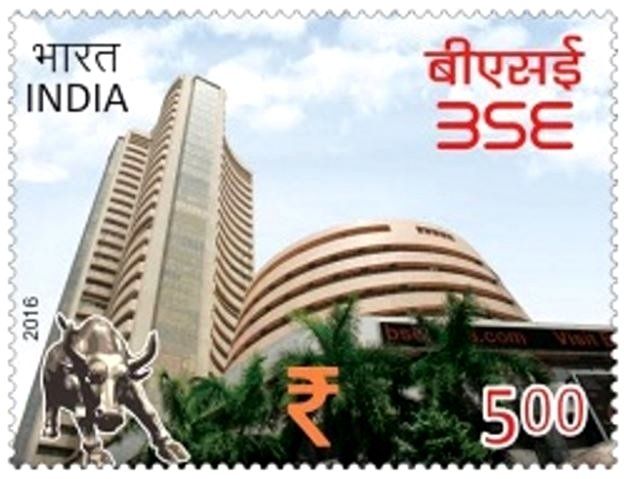
📷 Image: Wikimedia Commons / Post of India
Business
BSE cautions investors against high‑premium international ETFs
✍️ Asianet Newsable
🗓 26 Sep 2026, 02:47 AM
👁 11
The Bombay Stock Exchange has issued a warning urging investors to avoid purchasing international exchange‑traded funds that are trading at inflated premiums.
The Bombay Stock Exchange (BSE) has released a formal advisory cautioning market participants about the risks of buying international exchange‑traded funds (ETFs) that are quoted at significantly higher premiums than their underlying net asset values. The warning, circulated to members and published on BSE’s official channels, highlights that such price gaps can quickly erode investor returns, especially in volatile global markets.
International ETFs are priced based on the net asset value (NAV) of the foreign securities they hold, but market demand can push their trading price above the NAV, creating a premium. When premiums become excessive, investors may end up paying more for exposure than the actual value of the assets, exposing them to heightened downside risk if the premium narrows.
BSE advises investors to conduct thorough due diligence before entering such positions, including checking the ETF’s NAV, understanding the cost structure, and consulting financial advisors. The exchange also recommends monitoring the premium‑to‑NAV spread and avoiding purchases when the premium is unusually high.
While the advisory does not constitute a regulatory directive, BSE’s guidance aligns with broader market‑watch efforts by the Securities and Exchange Board of India (SEBI) to protect retail investors from overpriced overseas products.
International ETFs are priced based on the net asset value (NAV) of the foreign securities they hold, but market demand can push their trading price above the NAV, creating a premium. When premiums become excessive, investors may end up paying more for exposure than the actual value of the assets, exposing them to heightened downside risk if the premium narrows.
BSE advises investors to conduct thorough due diligence before entering such positions, including checking the ETF’s NAV, understanding the cost structure, and consulting financial advisors. The exchange also recommends monitoring the premium‑to‑NAV spread and avoiding purchases when the premium is unusually high.
While the advisory does not constitute a regulatory directive, BSE’s guidance aligns with broader market‑watch efforts by the Securities and Exchange Board of India (SEBI) to protect retail investors from overpriced overseas products.