
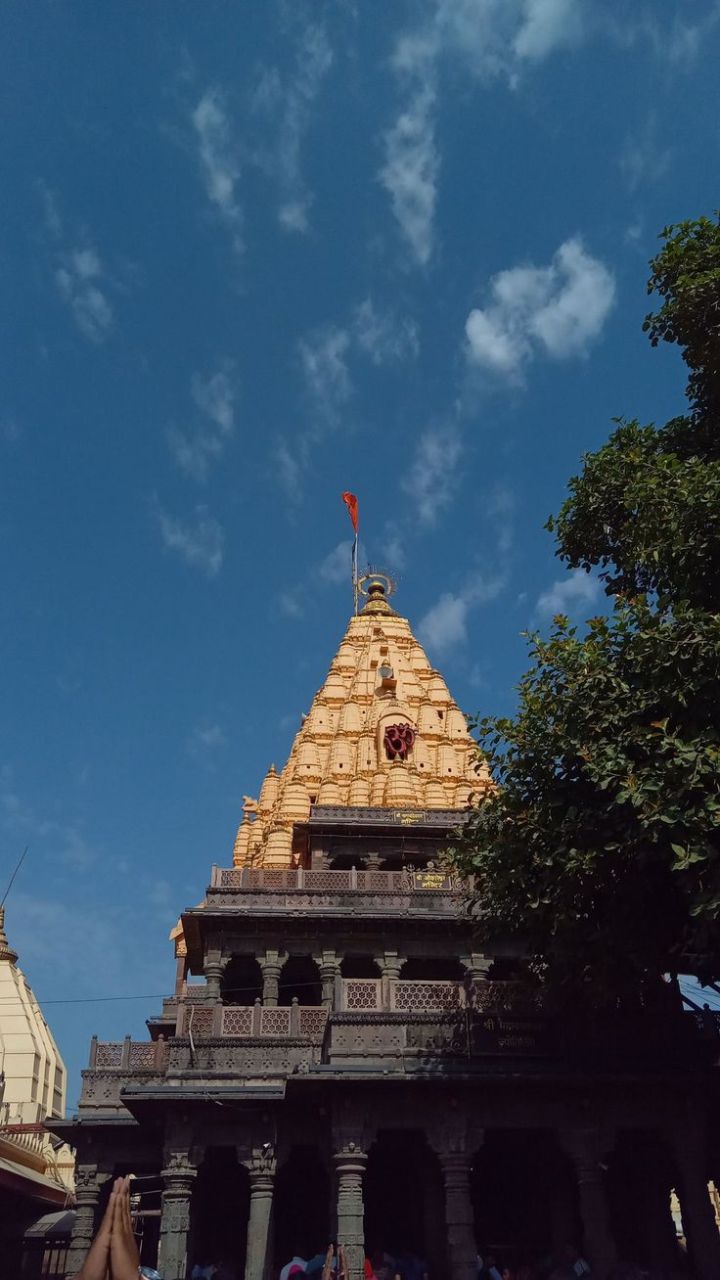
📷 Image: Wikimedia Commons / Anchal lilhare
Religion
Ancient 1,000-Year-Old Shiva Temple Rebuilt at Ujjain's Mahakaleshwar Complex
✍️ Amar Ujala · Ujjain
🗓 21 Aug 2026, 08:47 AM
👁 41
Archaeologists uncovered remnants of a millennium‑old Shiva temple at the Mahakaleshwar site in Ujjain, and authorities are reconstructing it using the original architectural style.
During recent excavations at the Mahakaleshwar Temple precinct in Ujjain, archaeologists discovered structural fragments and sculptures belonging to a Shiva temple that dates back roughly a thousand years. The findings include stone pillars, carved lintels and fragments of a sanctum that reflect the early medieval architectural idiom of the region.
The Archaeological Survey of India, in collaboration with the state heritage department, has approved a reconstruction project that will replicate the original design. Skilled artisans from Rajasthan, known for their expertise in traditional stone carving, have been engaged to recreate the temple using the same type of stone and construction techniques observed at the site.
Officials say the rebuilt shrine will be integrated into the existing Mahakaleshwar complex, allowing devotees to experience a continuity of worship that spans a millennium. The project is expected to be completed within the next two years, subject to funding and preservation guidelines.
The initiative underscores a broader effort to preserve India's ancient religious heritage while providing a tangible link between past and present worship practices.
The Archaeological Survey of India, in collaboration with the state heritage department, has approved a reconstruction project that will replicate the original design. Skilled artisans from Rajasthan, known for their expertise in traditional stone carving, have been engaged to recreate the temple using the same type of stone and construction techniques observed at the site.
Officials say the rebuilt shrine will be integrated into the existing Mahakaleshwar complex, allowing devotees to experience a continuity of worship that spans a millennium. The project is expected to be completed within the next two years, subject to funding and preservation guidelines.
The initiative underscores a broader effort to preserve India's ancient religious heritage while providing a tangible link between past and present worship practices.