
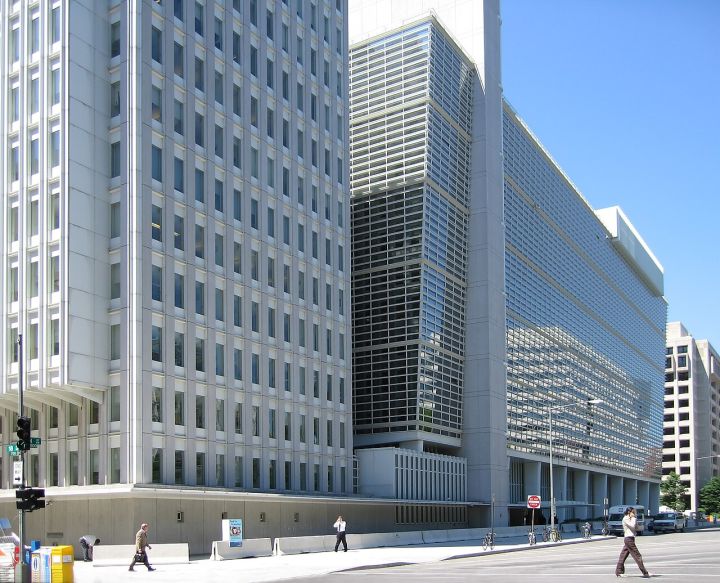
📷 Image: Wikimedia Commons / Shiny Things
Agriculture
AI Weather Forecasts Save Telangana Farmers Up to $560, Says World Bank
✍️ India Today
🗓 09 Aug 2026, 06:36 PM
👁 33
A World Bank study found that AI‑driven weather forecasts enabled farmers in Telangana to reduce losses, saving up to USD 560 per farmer.
A World Bank report released this week highlighted the tangible benefits of artificial‑intelligence powered weather forecasts for farmers in Telangana. The study shows that by accessing precise, localized weather predictions, farmers could adjust planting schedules and irrigation practices to avoid crop damage.
The forecasts, delivered through a mobile platform, provided real‑time alerts on temperature, rainfall and pest risk. Farmers reported being able to shift sowing dates and reduce water usage, thereby cutting input costs and mitigating the impact of unexpected weather events.
According to the World Bank, the average savings per farmer reached up to USD 560, with some households reporting even higher gains. The analysis covered a sample of 1,200 farmers across three districts and indicated a significant reduction in post‑harvest losses.
Experts say the success demonstrates the potential for scaling AI‑based agricultural advisories across India. The World Bank plans to collaborate with state agencies to expand the service to other regions facing similar climatic challenges.
The forecasts, delivered through a mobile platform, provided real‑time alerts on temperature, rainfall and pest risk. Farmers reported being able to shift sowing dates and reduce water usage, thereby cutting input costs and mitigating the impact of unexpected weather events.
According to the World Bank, the average savings per farmer reached up to USD 560, with some households reporting even higher gains. The analysis covered a sample of 1,200 farmers across three districts and indicated a significant reduction in post‑harvest losses.
Experts say the success demonstrates the potential for scaling AI‑based agricultural advisories across India. The World Bank plans to collaborate with state agencies to expand the service to other regions facing similar climatic challenges.