
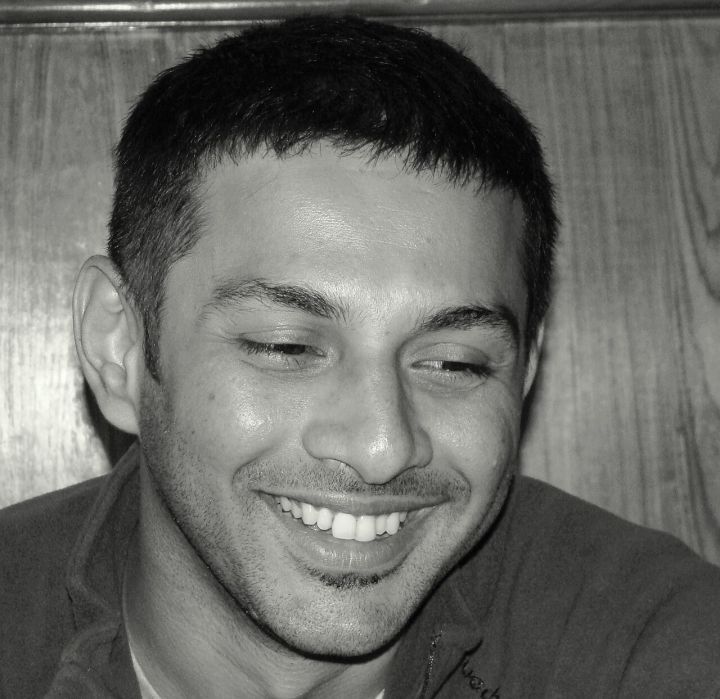
📷 Image: Wikimedia Commons / Cinemadaladla21
Entertainment
Writer Apurva Asrani Questions 13-Year OTT Delay as Film Finally Streams
✍️ Mid-Day
🗓 29 Sep 2026, 02:38 PM
👁 17
Screenwriter Apurva Asrani has expressed disappointment over a 13‑year gap before a film reached OTT platforms, calling the timing puzzling.
Screenwriter Apurva Asrani, known for her work on the popular series "Shahid," publicly criticised the unusually long wait before a particular film finally became available on over‑the‑top (OTT) services. The film, which was originally released over a decade ago, only reached streaming platforms after a 13‑year hiatus.
In a statement to Mid‑Day, Asrani questioned why the movie was made accessible now, suggesting that the delay undermines both the creators’ efforts and audience expectations. She described the timing as “inexplicable” and urged distributors to adopt more timely digital release strategies.
Industry observers note that delayed OTT launches are not uncommon, especially for titles that face rights disputes or limited theatrical runs. However, a gap of more than a decade is rare and can affect a film’s relevance and revenue potential.
Asrani’s remarks have sparked a broader conversation about the need for clearer policies on digital rights management in India, with several filmmakers calling for streamlined processes to prevent similar delays in the future.
In a statement to Mid‑Day, Asrani questioned why the movie was made accessible now, suggesting that the delay undermines both the creators’ efforts and audience expectations. She described the timing as “inexplicable” and urged distributors to adopt more timely digital release strategies.
Industry observers note that delayed OTT launches are not uncommon, especially for titles that face rights disputes or limited theatrical runs. However, a gap of more than a decade is rare and can affect a film’s relevance and revenue potential.
Asrani’s remarks have sparked a broader conversation about the need for clearer policies on digital rights management in India, with several filmmakers calling for streamlined processes to prevent similar delays in the future.