📷 Image: Wikimedia Commons / FBilula
Weather
Water Man and Solar Man of India Discuss Climate Impacts in Khandwa, MP
✍️ Amar Ujala · Madhya Pradesh
🗓 29 Nov 2026, 05:01 PM
👁 40
Water Man and Solar Man of India highlighted the severe effects of El Niño and super El Niño on Khandwa, citing erratic rains, floods and drought, and outlined community water‑management solutions for triple cropping.
In a joint session held in Khandwa, Madhya Pradesh, the Water Man of India and the Solar Man of India exchanged views on the accelerating climate crisis. Both emphasized that the recent El Niño and super El Niño episodes have intensified weather extremes, manifesting as unseasonal downpours, flash floods and prolonged dry spells across the district.
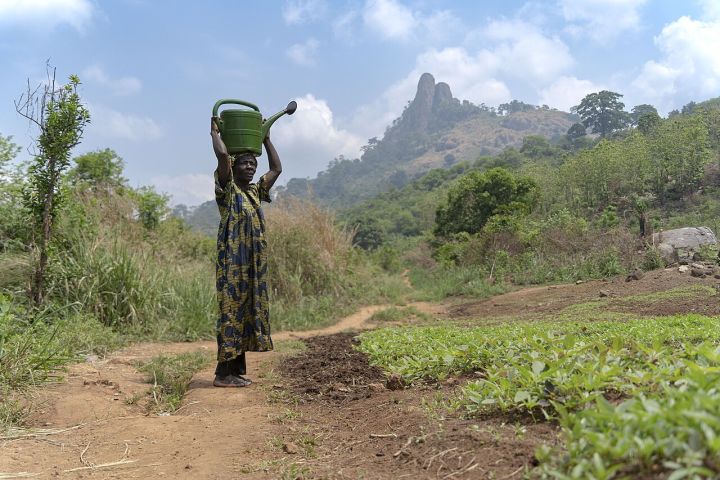
The speakers pointed out that despite reduced rainfall, community‑driven and decentralized water‑management practices are enabling farmers to cultivate three successive crops. Techniques such as rainwater harvesting, micro‑catchments and solar‑powered irrigation pumps were cited as key to sustaining agricultural output under erratic climate patterns.
The dialogue underscored the need for broader adoption of such resilient water‑use strategies, urging local authorities and NGOs to support capacity‑building initiatives. By integrating traditional knowledge with modern solar technology, the panel argued, Khandwa can mitigate the adverse impacts of climate change while securing food production for its residents.
The event concluded with a call for continued research on climate‑adaptive farming and the scaling up of renewable‑energy solutions to bolster water security in vulnerable regions of central India.