
📷 Image: Wikimedia Commons / Wikimedia Commons
Technology
Understanding the Difference Between ‘Shot with IMAX’ and ‘Filmed for IMAX’
✍️ Yahoo Tech
🗓 23 Aug 2026, 05:48 AM
👁 69
Yahoo Tech clarifies how ‘shot with IMAX’ uses native IMAX cameras, while ‘filmed for IMAX’ involves standard footage adapted for IMAX screens.
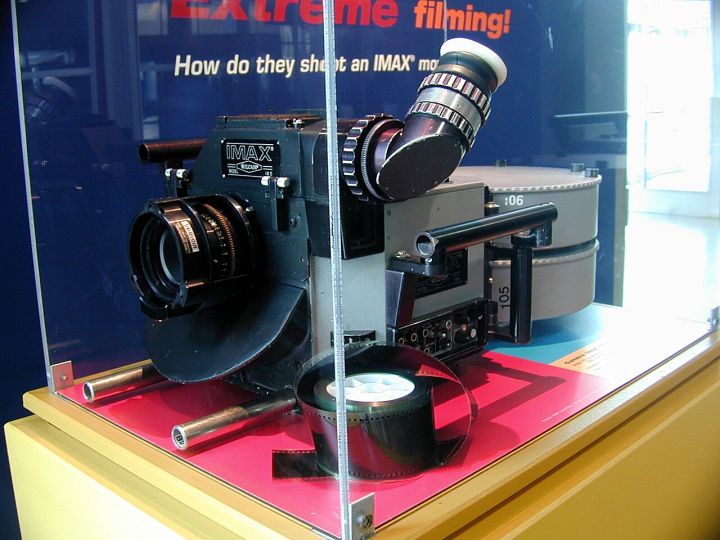
The recent Yahoo Tech piece explains that the phrase “shot with IMAX” refers to movies captured using IMAX’s proprietary large‑format cameras, which record at a higher resolution and with a distinct aspect ratio designed for the giant screens.
In contrast, “filmed for IMAX” describes productions that are originally shot with conventional digital or film cameras and later undergo a digital remastering process, such as IMAX DMR, to enlarge the image and enhance sound for IMAX exhibition.
The distinction matters for filmmakers and audiences alike: native IMAX shoots preserve the full visual fidelity intended by the director, while the conversion route allows studios to release a wider range of titles in IMAX venues without the cost of shooting on specialized equipment.
Industry analysts note that both approaches have grown in popularity, with blockbuster franchises often mixing native IMAX sequences with converted scenes to balance creative ambition and budget constraints.
In contrast, “filmed for IMAX” describes productions that are originally shot with conventional digital or film cameras and later undergo a digital remastering process, such as IMAX DMR, to enlarge the image and enhance sound for IMAX exhibition.
The distinction matters for filmmakers and audiences alike: native IMAX shoots preserve the full visual fidelity intended by the director, while the conversion route allows studios to release a wider range of titles in IMAX venues without the cost of shooting on specialized equipment.
Industry analysts note that both approaches have grown in popularity, with blockbuster franchises often mixing native IMAX sequences with converted scenes to balance creative ambition and budget constraints.