
📷 Image: Bmi (via NewsData)
Business
TV Industry Jobs at Risk: Policy Shifts Cited for Revenue Drop
✍️ Bmi
🗓 24 Nov 2026, 10:31 AM
👁 14
Television job losses are linked to policy decisions like the suspension of ratings and removal of the digital ad levy, causing a sharp decline in broadcaster revenues despite growing viewership.
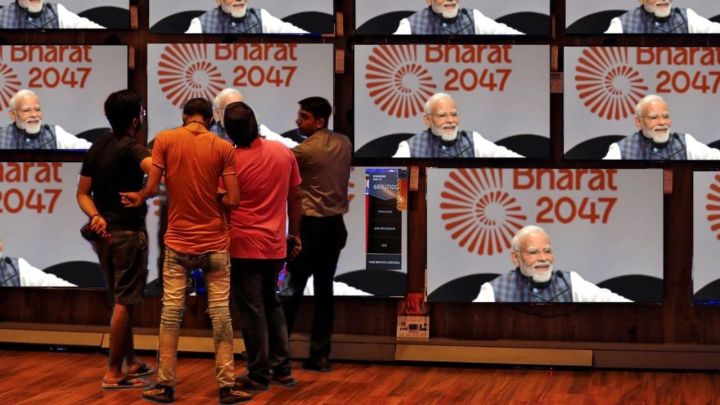
At the FICCI centenary AGM, Prime Minister Narendra Modi inquired about job creation following corporate tax cuts, while JioStar vice-chairman Uday Shankar raised concerns about the industry's survival by 2047. The discussion highlighted a disconnect between government expectations for employment and the structural challenges facing the television sector, which employs approximately 475,000 people across newsrooms, studios, and production houses.
Financial data from FY22 to FY26 reveals a stark contrast: while TV households grew to 193 million, industry revenue dropped from Rs 71,000 crore to Rs 61,700 crore. Major broadcasters like Zee Entertainment, TV Today, and NDTV have seen significant declines in operating profits, with the combined operating profit of three listed news broadcasters turning into a loss of Rs 124 crore. This financial squeeze has led to layoffs, with TV Today cutting 120 jobs and Sony reportedly reducing over 100 positions.
Experts attribute this downturn to specific policy decisions rather than just market dynamics. The suspension of news ratings in March 2026 and the subsequent blackout across all genres have left broadcasters without the data needed to justify ad rates, causing corporate advertising to fall by an estimated 40-50 percent. Additionally, the abolition of the 6 percent equalisation levy on online advertising in 2025 benefited digital giants like Google and Meta, further tilting the market against traditional television.
The article argues that restoring independent ratings measurement and leveling the regulatory field between linear TV and digital platforms are essential to stabilizing the industry. Without these policy corrections, the formal, organized jobs in the TV sector risk being replaced by informal, low-income digital self-employment, undermining the very employment growth the government seeks.