
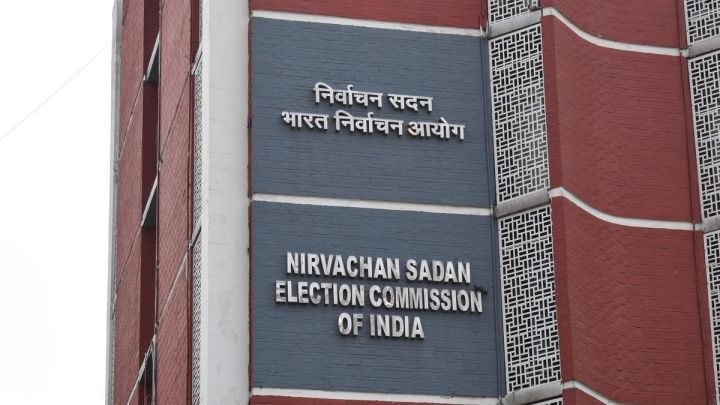
📷 Image: The Hindu (via NewsData)
Politics
Supreme Court Warns: ‘Superior’ CEC Undermines Election Commissioners' Functioning
✍️ The Hindu
🗓 27 Sep 2026, 07:18 AM
👁 11
The Supreme Court ruled that a Chief Election Commissioner who dominates the panel renders other Election Commissioners ineffective, emphasizing the need for collegial decision‑making within the Election Commission of India.
The Supreme Court delivered a landmark judgment on Thursday, holding that a Chief Election Commissioner who exerts excessive control over the Election Commission of India (ECI) effectively renders the other Election Commissioners non‑functional. The court noted that such dominance undermines the collective authority of the panel and hampers the commission’s ability to function as a unified body.
In its ruling, the court emphasized that the ECI is a collegial institution, and all members must have a meaningful say in policy decisions and procedural matters. The judgment points out that when the CEC unilaterally dictates outcomes, it erodes the checks and balances that are essential for fair and transparent elections.
The court further warned that continued dominance by a single commissioner could jeopardise the credibility of the electoral process, especially as India prepares for the next general elections. It urged the government to ensure that the appointment and functioning of the CEC and other commissioners promote a collaborative environment.
While the judgment does not prescribe specific reforms, it signals a clear expectation from the judiciary that the Election Commission must operate on principles of mutual respect and shared decision‑making. Political analysts suggest that the ruling could prompt a review of the commission’s internal governance and the role of the CEC in future elections.
In its ruling, the court emphasized that the ECI is a collegial institution, and all members must have a meaningful say in policy decisions and procedural matters. The judgment points out that when the CEC unilaterally dictates outcomes, it erodes the checks and balances that are essential for fair and transparent elections.
The court further warned that continued dominance by a single commissioner could jeopardise the credibility of the electoral process, especially as India prepares for the next general elections. It urged the government to ensure that the appointment and functioning of the CEC and other commissioners promote a collaborative environment.
While the judgment does not prescribe specific reforms, it signals a clear expectation from the judiciary that the Election Commission must operate on principles of mutual respect and shared decision‑making. Political analysts suggest that the ruling could prompt a review of the commission’s internal governance and the role of the CEC in future elections.