
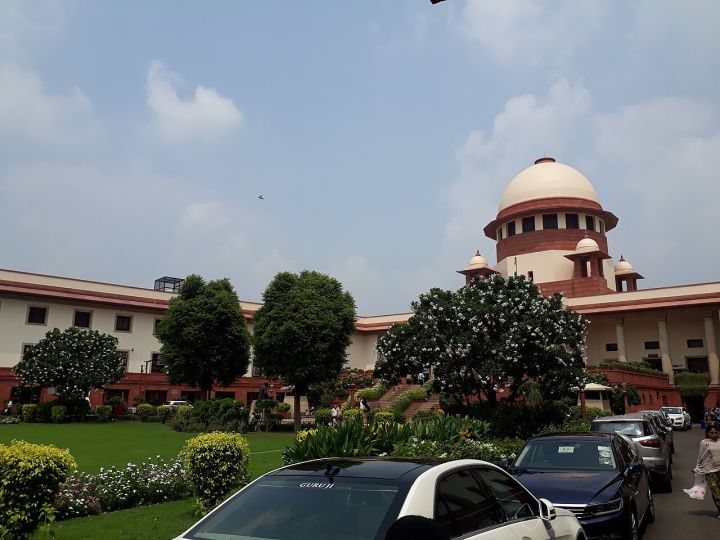
📷 Image: Wikimedia Commons / Pinakpani
Crime
Supreme Court rules police cannot investigate PCPNDT sex‑determination offences
✍️ The Times of India
🗓 21 Aug 2026, 08:19 AM
👁 32
The Supreme Court has held that police lack authority to probe violations of the Pre‑Conception and Pre‑Natal Diagnostic Techniques Act, which bans sex determination. The judgment clarifies the jurisdiction for enforcing the law.
New Delhi — In a recent judgment, the Supreme Court of India clarified that the police are not empowered to investigate offences under the Pre‑Conception and Pre‑Natal Diagnostic Techniques (PCPNDT) Act, which criminalises sex‑determination procedures. The apex court’s ruling underscores that investigations into alleged violations must be conducted by the appropriate statutory authorities as prescribed by the legislation.
The decision comes amid ongoing concerns about the enforcement of the PCPNDT Act, a key legal tool aimed at curbing sex‑selective abortions and addressing gender imbalance. By restricting police involvement, the court seeks to ensure that investigative procedures adhere strictly to the procedural safeguards embedded in the act.
Legal experts note that the judgment may require state governments and enforcement agencies to review existing protocols and re‑assign investigative responsibilities. The change is expected to influence how cases of illegal sex‑determination are pursued across the country.
The Supreme Court did not elaborate on any immediate procedural changes, but the ruling sets a precedent for future cases involving the PCPNDT Act and similar statutes.
The decision comes amid ongoing concerns about the enforcement of the PCPNDT Act, a key legal tool aimed at curbing sex‑selective abortions and addressing gender imbalance. By restricting police involvement, the court seeks to ensure that investigative procedures adhere strictly to the procedural safeguards embedded in the act.
Legal experts note that the judgment may require state governments and enforcement agencies to review existing protocols and re‑assign investigative responsibilities. The change is expected to influence how cases of illegal sex‑determination are pursued across the country.
The Supreme Court did not elaborate on any immediate procedural changes, but the ruling sets a precedent for future cases involving the PCPNDT Act and similar statutes.