
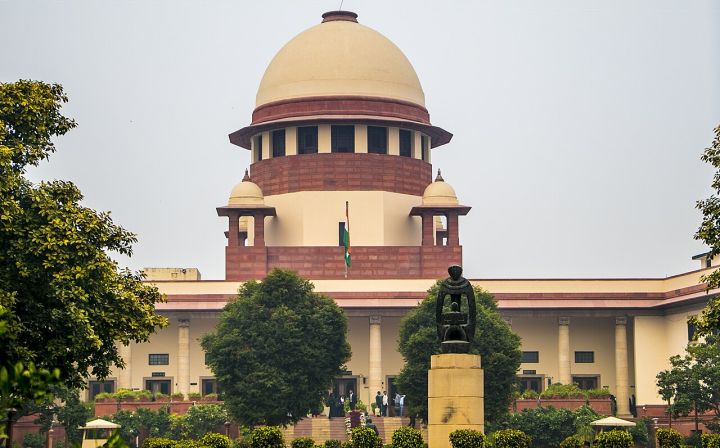
📷 Image: Wikimedia Commons / Subhashish Panigrahi
Politics
Supreme Court Rejects Use of Lathi Charges Amid Student Protest Probe
✍️ NDTV
🗓 27 Jul 2026, 02:10 PM
👁 44
The Supreme Court, while hearing petitions demanding an inquiry into the July 20 incident where students marching to Parliament were met with tear gas and batons, stated that lathi charges cannot be used merely because of agitation.
The Supreme Court of India is currently hearing a group of petitions that seek a formal probe into the July 20 incident in which students participating in the Sansad Chalo march were reportedly subjected to tear gas and baton strikes by security forces.
During the hearing, the bench reiterated a clear stance: lathi charges cannot be deployed simply because there is agitation. The court emphasized that any use of force must be justified and proportionate, and that the rights of peaceful protesters must be protected.
The petitions argue that the use of tear gas and batons was excessive and violated the constitutional right to peaceful assembly. The court has asked for a detailed report from the authorities and has directed the relevant agencies to cooperate with the inquiry.
This decision marks a significant judicial check on the use of force against student demonstrators and underscores the court’s role in safeguarding civil liberties during public protests.
During the hearing, the bench reiterated a clear stance: lathi charges cannot be deployed simply because there is agitation. The court emphasized that any use of force must be justified and proportionate, and that the rights of peaceful protesters must be protected.
The petitions argue that the use of tear gas and batons was excessive and violated the constitutional right to peaceful assembly. The court has asked for a detailed report from the authorities and has directed the relevant agencies to cooperate with the inquiry.
This decision marks a significant judicial check on the use of force against student demonstrators and underscores the court’s role in safeguarding civil liberties during public protests.