
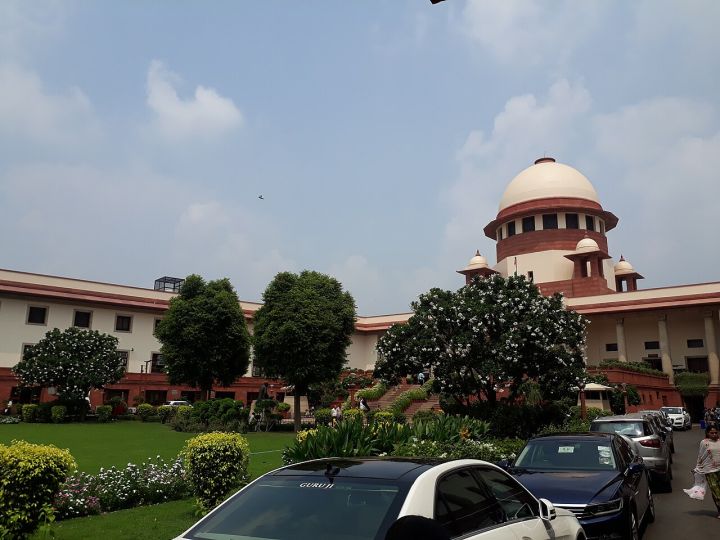
📷 Image: Wikimedia Commons / Pinakpani
Crime
Supreme Court labels 45-year delay in Jharkhand double murder case a judicial failure
✍️ Telangana Today
🗓 26 Aug 2026, 03:03 AM
👁 48
The Supreme Court criticised the prolonged 45-year pendency of a double murder case in Jharkhand, calling it a judicial failure.
The Supreme Court of India has publicly described the 45-year delay in a double murder trial from Jharkhand as a "judicial failure". In a recent hearing, the apex court highlighted the extraordinary length of time the case has remained unresolved, questioning the efficiency of lower courts.
The case, involving the alleged killing of two individuals, was first registered in the mid‑1970s. Over the decades, it passed through multiple judicial levels, yet no final verdict was delivered until the present intervention by the Supreme Court.
The court's observation underscores growing concerns about backlogs in India's criminal justice system. Judges and legal experts are expected to review procedural lapses and recommend measures to prevent similar protracted delays in future cases.
The Supreme Court has directed the concerned authorities to expedite the remaining procedural steps, signalling a push for swifter justice in long‑standing criminal matters.
This development is likely to prompt a broader discussion on judicial reforms aimed at reducing case pendency across the nation.
The case, involving the alleged killing of two individuals, was first registered in the mid‑1970s. Over the decades, it passed through multiple judicial levels, yet no final verdict was delivered until the present intervention by the Supreme Court.
The court's observation underscores growing concerns about backlogs in India's criminal justice system. Judges and legal experts are expected to review procedural lapses and recommend measures to prevent similar protracted delays in future cases.
The Supreme Court has directed the concerned authorities to expedite the remaining procedural steps, signalling a push for swifter justice in long‑standing criminal matters.
This development is likely to prompt a broader discussion on judicial reforms aimed at reducing case pendency across the nation.