
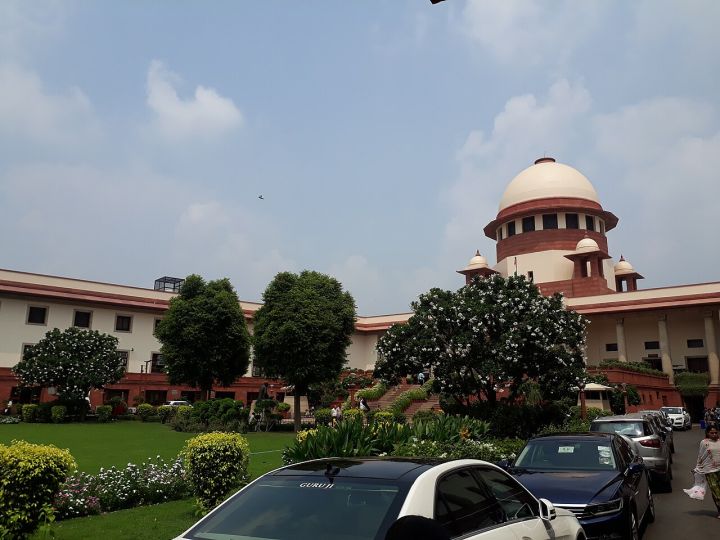
📷 Image: Wikimedia Commons / Pinakpani
Politics
Supreme Court Challenges 100% Salary During Probation Order; Govt Defends Rule‑Making Power
✍️ Bhaskar English
🗓 17 Sep 2026, 09:32 AM
👁 8
The Supreme Court has taken up a challenge against an order that requires government employees to receive full salary during their probationary period, while the Ministry of Personnel, Public Grievances and Pensions argues that it retains the authority to formulate service rules.
The Supreme Court has accepted a petition challenging a directive that mandates 100% salary for civil servants during their probationary period. The order, issued by the Ministry of Personnel, Public Grievances and Pensions, was intended to provide financial security to new recruits.
In its hearing, the petitioners argued that the directive exceeded the ministry’s statutory powers and infringed upon the rights of employees and the state’s fiscal responsibilities. The court is examining whether the ministry’s rule‑making authority extends to such a financial provision.
The government, in its reply, maintained that the ministry has the constitutional mandate to frame service rules for all central government employees, including salary structures during probation. It contended that the order was a legitimate exercise of its regulatory powers.
The Supreme Court has not yet issued a verdict. The case is currently pending, and both sides have submitted written arguments. The outcome will clarify the limits of the ministry’s rule‑making powers and could impact the financial arrangements for new civil servants across the country.
If the court upholds the challenge, it may prompt a review of the existing salary provisions for probationary employees and could lead to revisions in the service rules governing central government staff.
In its hearing, the petitioners argued that the directive exceeded the ministry’s statutory powers and infringed upon the rights of employees and the state’s fiscal responsibilities. The court is examining whether the ministry’s rule‑making authority extends to such a financial provision.
The government, in its reply, maintained that the ministry has the constitutional mandate to frame service rules for all central government employees, including salary structures during probation. It contended that the order was a legitimate exercise of its regulatory powers.
The Supreme Court has not yet issued a verdict. The case is currently pending, and both sides have submitted written arguments. The outcome will clarify the limits of the ministry’s rule‑making powers and could impact the financial arrangements for new civil servants across the country.
If the court upholds the challenge, it may prompt a review of the existing salary provisions for probationary employees and could lead to revisions in the service rules governing central government staff.