
📷 Image: Wikimedia Commons / John Rostron
Agriculture
Stubble Burning in Punjab's Malwa Region Triggers 440 New Fires
✍️ Hindustan Times
🗓 06 Nov 2026, 08:32 AM
👁 13
The Malwa belt of Punjab reported a surge in stubble fires, with 440 fresh incidents recorded, intensifying air‑quality concerns across the state.
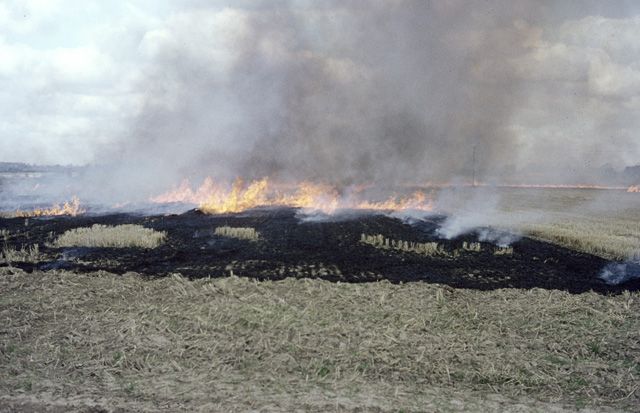
The agricultural belt of Malwa in Punjab has witnessed a sharp rise in stubble burning incidents, with authorities confirming 440 new fire cases in the latest count. The fires, ignited after the harvest of wheat and rice, have spread across several villages, prompting local officials to deploy fire‑fighting squads and request assistance from the state disaster management unit.
Air quality monitoring stations in nearby districts reported a noticeable spike in particulate matter, raising health alerts for residents. The state pollution control board has issued advisories urging people, especially those with respiratory conditions, to limit outdoor activities until the situation improves.
Farmers in the region cite the lack of affordable residue‑management alternatives as a key driver behind the practice. The Punjab government has reiterated its commitment to provide subsidised equipment such as happy seeders and to expand the existing crop‑residue collection scheme, aiming to curb the recurrence of such fires during the post‑harvest period.
Environmental NGOs have called for stricter enforcement of existing bans on open burning and for greater awareness campaigns targeting the farming community. Meanwhile, the National Green Tribunal is monitoring the developments, with the possibility of legal action against repeat offenders if the trend continues.
The surge in stubble fires adds to the broader challenge of managing air pollution in northern India, where seasonal burning contributes significantly to the winter smog that affects major cities across the region.