
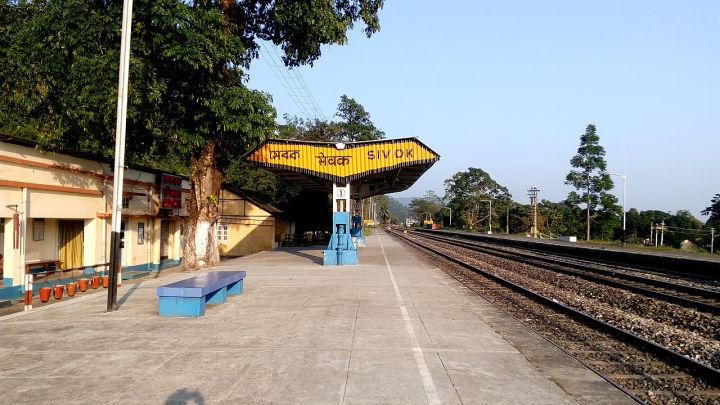
📷 Image: Wikimedia Commons / Shibangkp
Travel
Sikkim’s Sevoke‑Rangpo Railway Line: Why Construction Took Over a Decade
✍️ Urban Acres
🗓 03 Nov 2026, 11:33 AM
👁 19
The Sevoke‑Rangpo rail link, intended to connect Sikkim with the rest of India, faced a decade‑long delay due to challenging terrain, funding gaps and land‑acquisition hurdles.
The Sevoke‑Rangpo rail link, a 32‑km stretch linking the Sikkimese town of Rangpo to the main Indian rail network at Sevoke in West Bengal, was first sanctioned in the early 2000s. The project was envisioned to boost tourism and trade for the Himalayan state.
Construction stalled for years because of the region’s steep gradients, unstable geology and the need for extensive tunnelling. Funding gaps and delays in acquiring land from local communities further compounded the problem, pushing the project timeline back by more than a decade.
Work resumed in 2018 after a new funding package was approved, and the line is now expected to be operational by 2025. The government has also announced additional measures to streamline land acquisition and ensure timely completion.
Once finished, the railway will provide a faster, safer link for residents and tourists alike, reducing travel time from the capital Gangtok to the rest of India by several hours and opening up new economic opportunities for the state.