
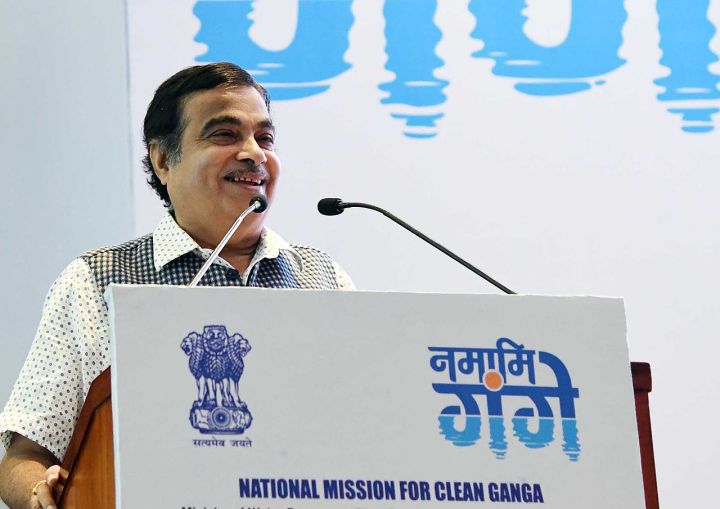
📷 Image: Wikimedia Commons / Ministry of Water Resources, River Development and
National
Sewage generation in five Ganga states exceeds treatment capacity by 32%, RTI reveals
✍️ The Times of India
🗓 29 Aug 2026, 01:33 AM
👁 104
An RTI filed with the Ministry of Jal Shakti shows that the combined sewage output of five Ganga‑basin states is 32% higher than the volume that can be treated today.
The Right to Information (RTI) application submitted to the Ministry of Jal Shakti indicates a widening gap between sewage generation and treatment infrastructure in the Ganga river basin. Data obtained through the request reveal that the five states sharing the Ganga watershed collectively produce sewage volumes that are 32 percent beyond the capacity of existing treatment plants.
Officials from the central water ministry confirmed that the current treatment facilities can handle only a fraction of the waste water generated, leading to increased discharge of untreated sewage into the river system. The shortfall is attributed to delayed commissioning of new plants, inadequate funding, and rapid urbanisation in the region.
Environmental experts warn that the excess untreated sewage could exacerbate water quality deterioration, affecting public health and biodiversity downstream. They have urged state governments to accelerate the construction of additional treatment units and to adopt stricter effluent standards.
The ministry has said it will review the findings and consider augmenting financial assistance to the states for expanding sewage treatment capacity, aiming to bring the system closer to the national Clean Ganga mission targets.
Officials from the central water ministry confirmed that the current treatment facilities can handle only a fraction of the waste water generated, leading to increased discharge of untreated sewage into the river system. The shortfall is attributed to delayed commissioning of new plants, inadequate funding, and rapid urbanisation in the region.
Environmental experts warn that the excess untreated sewage could exacerbate water quality deterioration, affecting public health and biodiversity downstream. They have urged state governments to accelerate the construction of additional treatment units and to adopt stricter effluent standards.
The ministry has said it will review the findings and consider augmenting financial assistance to the states for expanding sewage treatment capacity, aiming to bring the system closer to the national Clean Ganga mission targets.