
📷 Image: Wikimedia Commons / CIAT
Agriculture
Satellite Gaps May Hide Stubble Burning in Punjab, Haryana
✍️ News18
🗓 03 Nov 2026, 09:46 PM
👁 15
A new analysis suggests that stubble burning in Punjab and Haryana may be going undetected because it occurs in the gaps between satellite passes.
A recent report highlights a significant gap in the monitoring of agricultural fires in the Indo-Gangetic plains. The study indicates that a substantial portion of stubble burning in Punjab and Haryana may be occurring during the time intervals when Earth-observing satellites are not passing over the region.
This detection gap arises due to the specific orbital schedules of the satellites currently used for fire monitoring. Since these satellites do not provide continuous real-time coverage of the entire area, fires that start and end quickly can escape detection. This limitation means that the true scale of crop residue burning might be higher than official satellite data suggests.
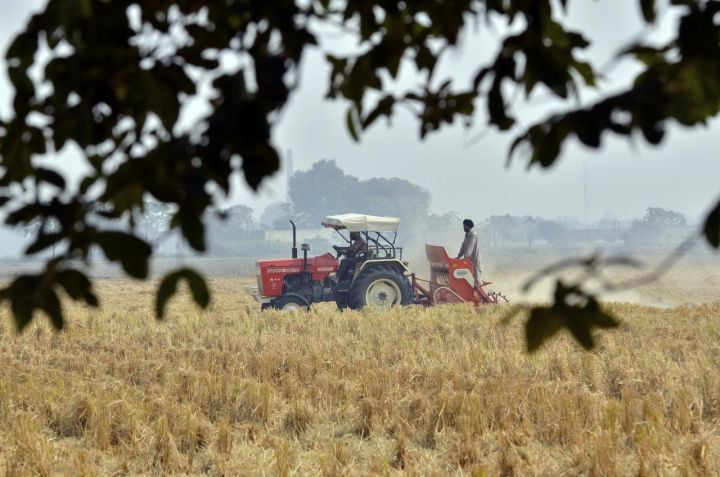
The issue is particularly critical in Punjab and Haryana, where post-harvest burning of wheat stubble is a recurring environmental concern. Accurate data is essential for implementing effective enforcement measures and promoting sustainable farming practices. The findings underscore the need for more frequent satellite passes or complementary ground-based monitoring systems to capture a complete picture of the situation.