
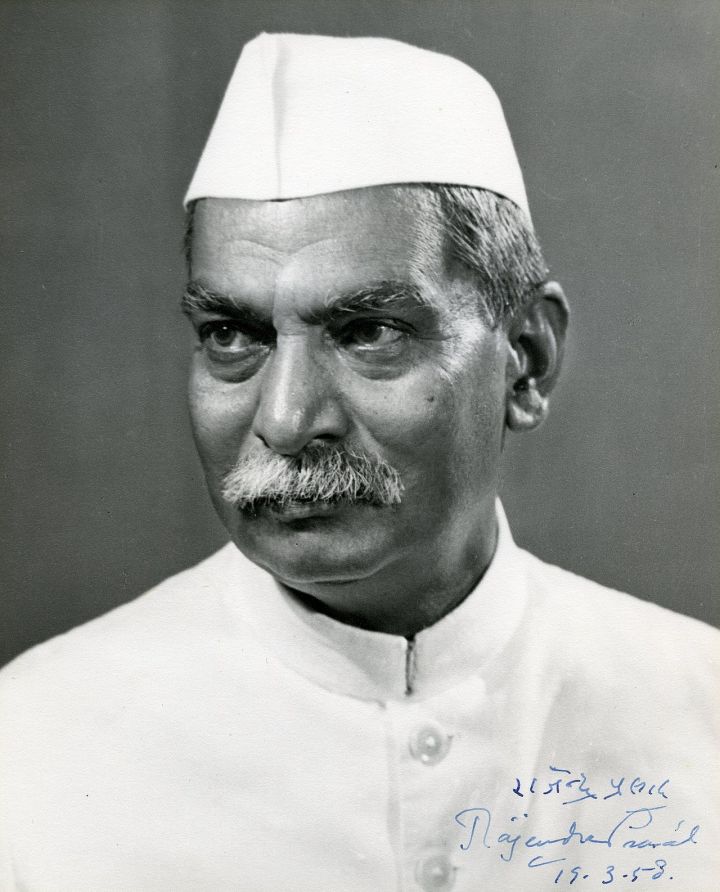
📷 Image: Wikimedia Commons / Archives New Zealand from New Zealand
Politics
Rajendra Kshetri Highlights Irawir‑Meetei National Question on e‑Pao.net
✍️ e-pao.net
🗓 30 Sep 2026, 09:24 AM
👁 14
A piece titled “Irawir and Meetei National question” was published by journalist Rajendra Kshetri on the e‑Pao.net portal, examining the political concerns of the Irawir and Meetei communities.
The online portal e‑Pao.net featured an article authored by Rajendra Kshetri that delves into the so‑called “Irawir and Meetei National question.” The write‑up examines the historical and contemporary political issues faced by the Irawir and Meetei groups, both of which are prominent communities in the northeastern region of India. Kshetri’s analysis seeks to outline the demands, grievances and aspirations that shape the discourse around their status within the Indian Union.
In the article, Kshetri references past negotiations, local movements and the broader national debate on ethnic autonomy. While the piece does not present new data, it consolidates existing viewpoints to provide readers with a clearer understanding of the challenges confronting these communities.
The publication on e‑Pao.net, a platform known for covering regional news and opinion pieces, adds to the ongoing conversation about ethnic identity and political representation in the northeast. Observers note that such discussions are crucial for informing policy makers and the public alike.
No official response from government bodies or community leaders has been recorded at the time of writing, and the article remains a reference point for those tracking the evolving dynamics of the Irawir‑Meetei issue.
In the article, Kshetri references past negotiations, local movements and the broader national debate on ethnic autonomy. While the piece does not present new data, it consolidates existing viewpoints to provide readers with a clearer understanding of the challenges confronting these communities.
The publication on e‑Pao.net, a platform known for covering regional news and opinion pieces, adds to the ongoing conversation about ethnic identity and political representation in the northeast. Observers note that such discussions are crucial for informing policy makers and the public alike.
No official response from government bodies or community leaders has been recorded at the time of writing, and the article remains a reference point for those tracking the evolving dynamics of the Irawir‑Meetei issue.