
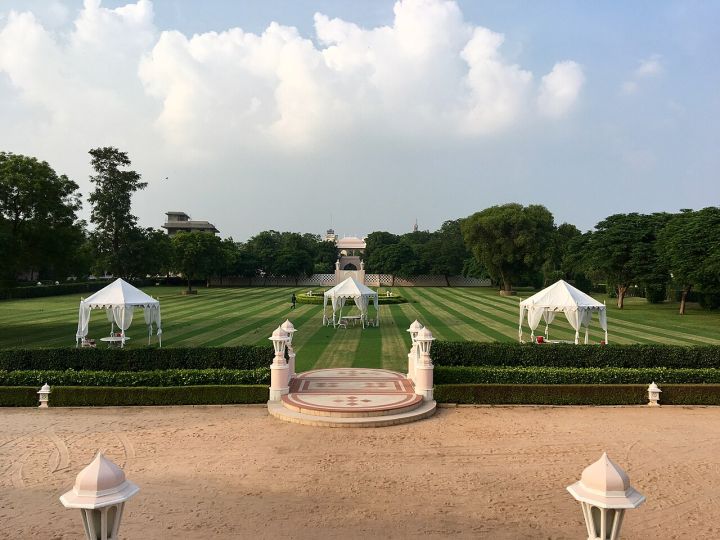
📷 Image: Wikimedia Commons / Gryffindor
Politics
Rajasthan High Court Upholds Former Royal Family’s Claim Over Rajmahal Palace Land
✍️ Amar Ujala · Rajasthan
🗓 19 Nov 2026, 01:31 PM
👁 20
The Rajasthan High Court rejected the state government and Jaipur Development Authority’s appeal, confirming the 2011 lower‑court ruling that favoured the former royal family’s ownership of the Rajmahal Palace land.
The Rajasthan High Court has dismissed the appeals filed by the state government and the Jaipur Development Authority, thereby upholding the 2011 lower‑court judgment that awarded ownership of the Rajmahal Palace land to the former royal family. The bench affirmed that the earlier decision remains valid and no further legal ground exists for the state to claim the property.
The dispute centres on the historic Rajmahal Palace in Jaipur, a heritage site whose ownership has been contested for years. In 2011, a subordinate court ruled in favour of the erstwhile royal family, recognising their legal title to the land. The state and the JDA challenged that verdict, arguing that the property should fall under governmental control for development purposes.
By rejecting the appeals, the High Court has effectively confirmed the royal family’s continued rights over the palace grounds, limiting the government's ability to repurpose or acquire the site without consent. The decision may influence future heritage‑related cases and underscores the judiciary's role in safeguarding historically sensitive properties.
The ruling stands as the final word unless a further appeal is lodged in the Supreme Court, leaving the former royal family in possession of the Rajmahal Palace land as of now.