
📷 Image: Wikimedia Commons / CIAT
Health
Punjab’s Rural Air Quality Deteriorates as Crop‑Residue Burning Smoke Spreads
✍️ Amar Ujala · Punjab
🗓 30 Oct 2026, 08:45 AM
👁 21
Air in Punjab’s villages has become as polluted as, or worse than, city air due to smoke from crop‑residue burning vehicles, raising health concerns.
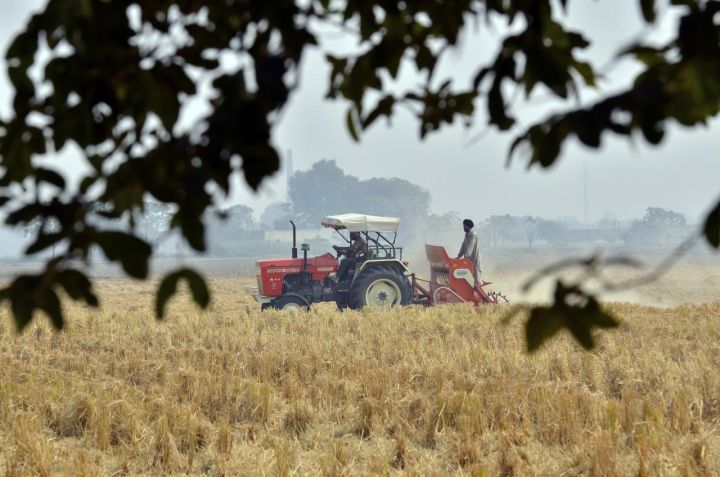
Punjab’s agricultural belt is witnessing a sharp decline in air quality as smoke from vehicles used to burn crop residue spreads across rural areas. Recent observations indicate that the particulate matter levels in several villages now match or exceed those recorded in nearby towns, a reversal of the usual urban‑rural air‑quality gap.
State health officials have linked the rising concentrations of PM2.5 and PM10 to the increased use of tractor‑mounted burners and other machinery that incinerate leftover stalks after harvest. The dense haze not only reduces visibility but also poses acute respiratory risks, especially for children, the elderly and those with pre‑existing conditions.
The Punjab government has reiterated its existing bans on open burning and is urging farmers to adopt alternative residue‑management practices. Monitoring stations have been deployed in affected districts to provide real‑time data, and public advisories recommend limiting outdoor activities during peak smoke periods.
Experts caution that without sustained enforcement and farmer support, the seasonal surge in smoke could become a chronic public‑health issue, further straining the state’s healthcare resources.