
📷 Image: Wikimedia Commons / Asmit4
Politics
Punjab High Court Calls New Tree Protection Law Draconian, Orders Reconsideration
✍️ Swarajya
🗓 31 Oct 2026, 07:03 PM
👁 21
The Punjab and Haryana High Court has described Punjab’s recently enacted tree law as draconian and directed the state government to revisit the legislation.
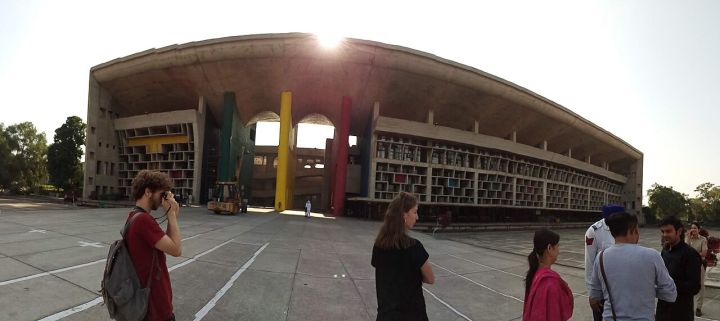
The Punjab and Haryana High Court, sitting in Chandigarh, issued a sharp rebuke of the state government's recently passed tree protection legislation. In its ruling, the bench labeled the law "draconian" for imposing severe penalties and restrictions that, according to the court, could hamper legitimate land use and development.
The court observed that while environmental protection is a legitimate objective, the statute's provisions were disproportionate and lacked adequate safeguards for affected landowners. It noted that the law did not provide clear procedural mechanisms for appeals or compensation, raising concerns about fairness.
Consequently, the judges directed the Punjab administration to reconsider the legislation, urging a review that balances ecological goals with property rights. The order stops short of striking down the law but signals that any further enforcement must await a revised framework.
Legal experts anticipate that the state will be required to amend the act or face continued judicial scrutiny. The decision underscores the judiciary's role in checking executive measures that may overreach statutory limits.