
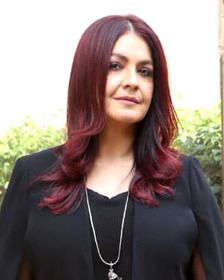
📷 Image: Wikimedia Commons / Bollywood Hungama
Entertainment
Pooja Bhatt Questions If 'Zakhm' Story Can Be Told in 2026 Amid Censorship Concerns
✍️ Business Upturn
🗓 27 Jul 2026, 07:19 PM
👁 46
Actress Pooja Bhatt reflects on India's film censorship, citing the 1998 drama 'Zakhm' and questioning whether its narrative can be released in 2026.
Pooja Bhatt, known for her roles in Indian cinema, recently shared her thoughts on the censorship challenges faced by filmmakers in India. She specifically referenced the 1998 drama 'Zakhm', which had a contentious release due to its sensitive content.
Bhatt's comments came in an interview with Business Upturn, where she expressed uncertainty about whether the film's story could be presented to audiences in 2026, given the evolving regulatory environment.
The film 'Zakhm', directed by Shyam Benegal, was known for tackling issues of communal tension and personal trauma. Its release was delayed and edited to meet the Central Board of Film Certification's demands.
Bhatt's remarks highlight a broader concern among industry professionals about the impact of censorship on creative expression and the ability to tell socially relevant stories.
While no official statement has been made about a potential re-release of 'Zakhm', Bhatt's reflection underscores the ongoing dialogue about artistic freedom in Indian cinema.
Bhatt's comments came in an interview with Business Upturn, where she expressed uncertainty about whether the film's story could be presented to audiences in 2026, given the evolving regulatory environment.
The film 'Zakhm', directed by Shyam Benegal, was known for tackling issues of communal tension and personal trauma. Its release was delayed and edited to meet the Central Board of Film Certification's demands.
Bhatt's remarks highlight a broader concern among industry professionals about the impact of censorship on creative expression and the ability to tell socially relevant stories.
While no official statement has been made about a potential re-release of 'Zakhm', Bhatt's reflection underscores the ongoing dialogue about artistic freedom in Indian cinema.