
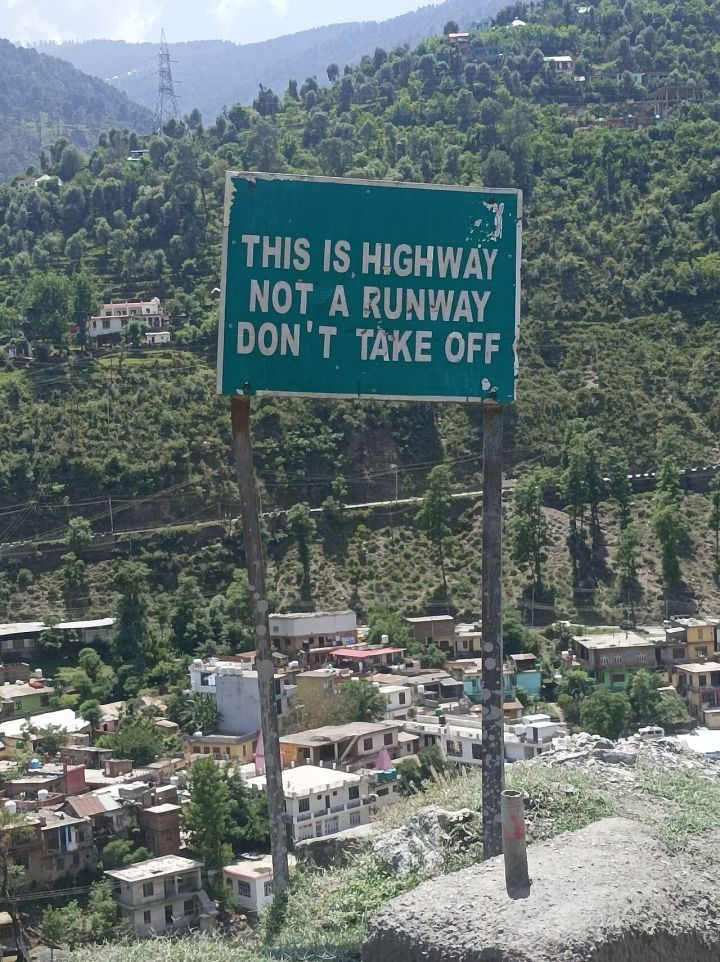
📷 Image: Wikimedia Commons / Aafi
Jobs & Career
Over 300 Illegal Shops Cleared from NH-44 Near Sagar; Vendors Turn to Trucks and Tea Stalls
✍️ Amar Ujala · Madhya Pradesh
🗓 21 Sep 2026, 08:31 AM
👁 11
More than 300 unauthorized stalls along NH-44 between Bandri and Malthoun in Sagar district were removed, prompting small traders to start mobile truck sales and tea‑snack kiosks at nearby bus shelters.
The Madhya Pradesh municipal team cleared over three hundred illegal shops and makeshift stalls that had been crowding the NH-44 corridor between Bandri and Malthoun in Sagar district. The operation, aimed at decongesting the highway and restoring safety, was completed this week after weeks of complaints from commuters and transport authorities.
The sudden loss of vending space left many roadside traders without a source of income. In response, a number of them have repurposed small trucks into mobile retail units, selling groceries and daily essentials directly to passing motorists. Others have set up modest tea and snack counters inside public waiting areas of nearby bus stations, hoping to attract commuters.
Local officials said the crackdown was necessary to enforce highway regulations, but they also acknowledged the livelihood concerns of the displaced sellers. They have promised to explore alternative vending zones and provide guidance on legal permits, while urging the newly‑adapted vendors to comply with safety and hygiene norms.
The shift illustrates how informal traders quickly adapt to regulatory changes, turning to mobile commerce and low‑cost food services to sustain their families. Observers note that such transitions, if supported by proper infrastructure, could create more resilient micro‑enterprises along busy transport routes.
The sudden loss of vending space left many roadside traders without a source of income. In response, a number of them have repurposed small trucks into mobile retail units, selling groceries and daily essentials directly to passing motorists. Others have set up modest tea and snack counters inside public waiting areas of nearby bus stations, hoping to attract commuters.
Local officials said the crackdown was necessary to enforce highway regulations, but they also acknowledged the livelihood concerns of the displaced sellers. They have promised to explore alternative vending zones and provide guidance on legal permits, while urging the newly‑adapted vendors to comply with safety and hygiene norms.
The shift illustrates how informal traders quickly adapt to regulatory changes, turning to mobile commerce and low‑cost food services to sustain their families. Observers note that such transitions, if supported by proper infrastructure, could create more resilient micro‑enterprises along busy transport routes.