
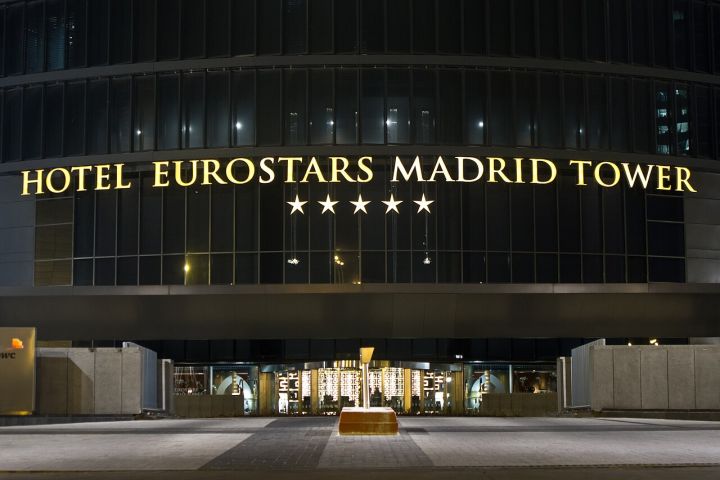
📷 Image: Wikimedia Commons / Carlos Delgado
Crime
Online licence renewals without verification spur illegal hotel conversions in residential buildings
✍️ The Times of India
🗓 30 Aug 2026, 05:18 AM
👁 59
A lack of verification in online licence renewals is enabling owners to convert residential properties into unregistered hotels, raising safety and regulatory concerns.
The Times of India reports that the recent shift to online licence renewals for hospitality businesses has been implemented without adequate verification mechanisms. This loophole is allowing property owners to obtain hotel licences for residential buildings without on‑site inspections, effectively turning homes into unregulated lodging facilities.
Authorities warn that such conversions bypass fire safety norms, health standards, and zoning regulations, potentially endangering guests and neighbours. Consumer protection groups have highlighted instances where families are forced to share premises with transient guests, disrupting residential life.
The government has pledged to tighten the online renewal process, introducing mandatory field checks and cross‑verification with municipal records. Meanwhile, municipal officials are urged to conduct surprise inspections to curb the rise of illegal hotels operating under the guise of legitimate licences.
If left unchecked, the trend could undermine urban planning efforts and erode public confidence in the digital licensing system, officials say.
Authorities warn that such conversions bypass fire safety norms, health standards, and zoning regulations, potentially endangering guests and neighbours. Consumer protection groups have highlighted instances where families are forced to share premises with transient guests, disrupting residential life.
The government has pledged to tighten the online renewal process, introducing mandatory field checks and cross‑verification with municipal records. Meanwhile, municipal officials are urged to conduct surprise inspections to curb the rise of illegal hotels operating under the guise of legitimate licences.
If left unchecked, the trend could undermine urban planning efforts and erode public confidence in the digital licensing system, officials say.