
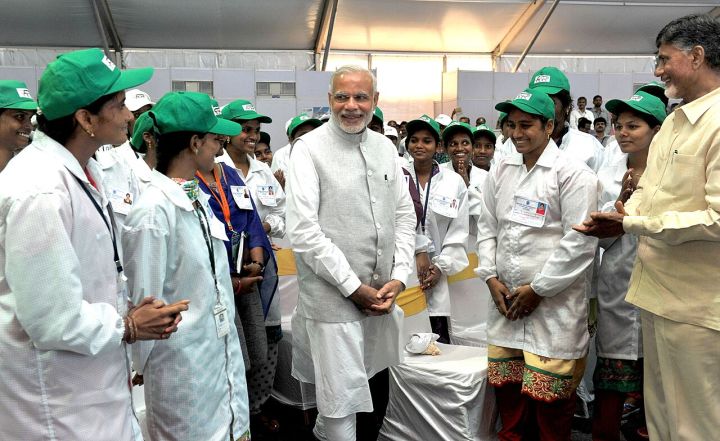
📷 Image: Wikimedia Commons / Prime Minister's Office
Business
Oil Price Surge Skips Petrol Pumps, Drives Up Raw Material Costs for Indian Firms
✍️ Business Today
🗓 03 Oct 2026, 08:38 AM
👁 10
The recent spike in global oil prices has not translated into higher petrol pump prices but has pushed up the cost of raw materials for Indian businesses, impacting manufacturing and service sectors.
The global oil market has seen a sharp rise in prices over the past few weeks, a development that has largely bypassed Indian petrol pumps. While consumers have not yet felt higher fuel costs at the pumps, the surge has had a pronounced effect on the cost structure of Indian businesses.
Manufacturers and service providers that rely on oil‑derived inputs—such as plastics, chemicals, and transportation fuels—have reported increased expenses. The higher raw material costs are squeezing profit margins, especially for small and medium enterprises that operate on thin spreads.
Industry analysts warn that the ripple effect could lead to higher consumer prices as firms pass on the added costs. The government’s current fuel subsidies have shielded motorists, but the broader economic impact is already visible in supply chains and production costs.
Business leaders are exploring hedging strategies and alternative sourcing to mitigate the impact. The long‑term outlook depends on how quickly global oil prices stabilize and whether domestic policy adjustments can cushion the shock to the manufacturing sector.
Manufacturers and service providers that rely on oil‑derived inputs—such as plastics, chemicals, and transportation fuels—have reported increased expenses. The higher raw material costs are squeezing profit margins, especially for small and medium enterprises that operate on thin spreads.
Industry analysts warn that the ripple effect could lead to higher consumer prices as firms pass on the added costs. The government’s current fuel subsidies have shielded motorists, but the broader economic impact is already visible in supply chains and production costs.
Business leaders are exploring hedging strategies and alternative sourcing to mitigate the impact. The long‑term outlook depends on how quickly global oil prices stabilize and whether domestic policy adjustments can cushion the shock to the manufacturing sector.