
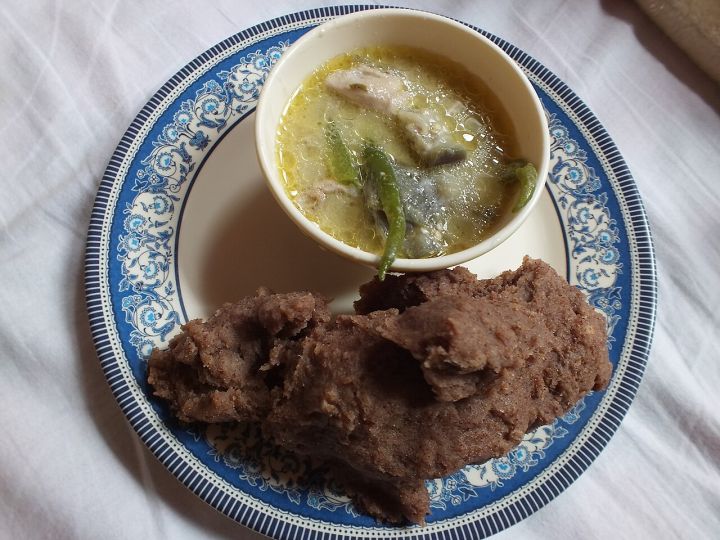
📷 Image: Wikimedia Commons / Rupasree
Agriculture
New Millet Variety Shields Tawang Farmers from Wildlife Damage
✍️ Deccan Herald
🗓 28 Aug 2026, 10:48 PM
👁 69
A newly introduced millet variety in Tawang, Arunachal Pradesh is helping farmers curb losses caused by wild animal raids.
Farmers in the high‑altitude district of Tawang, Arunachal Pradesh have begun cultivating a recently developed millet variety that is proving effective against repeated raids by wild animals. The crop, bred for resilience and rapid growth, offers a practical alternative to traditional cereals that were more vulnerable to grazing and trampling.
Local growers report that the millet’s sturdy stalks and early maturation reduce the window of exposure to wildlife such as deer and wild boar. As a result, the extent of crop loss has noticeably declined, allowing households to retain a larger share of their harvest for consumption and market sale.
State agricultural officials have highlighted the variety’s performance as a model for other hill regions where human‑wildlife conflict threatens livelihoods. Extension workers are distributing seed kits and providing guidance on best agronomic practices to encourage wider adoption.
If the trend continues, the millet could become a staple for marginal farmers across the eastern Himalayas, strengthening food security while mitigating the economic impact of wildlife depredation.
Local growers report that the millet’s sturdy stalks and early maturation reduce the window of exposure to wildlife such as deer and wild boar. As a result, the extent of crop loss has noticeably declined, allowing households to retain a larger share of their harvest for consumption and market sale.
State agricultural officials have highlighted the variety’s performance as a model for other hill regions where human‑wildlife conflict threatens livelihoods. Extension workers are distributing seed kits and providing guidance on best agronomic practices to encourage wider adoption.
If the trend continues, the millet could become a staple for marginal farmers across the eastern Himalayas, strengthening food security while mitigating the economic impact of wildlife depredation.