
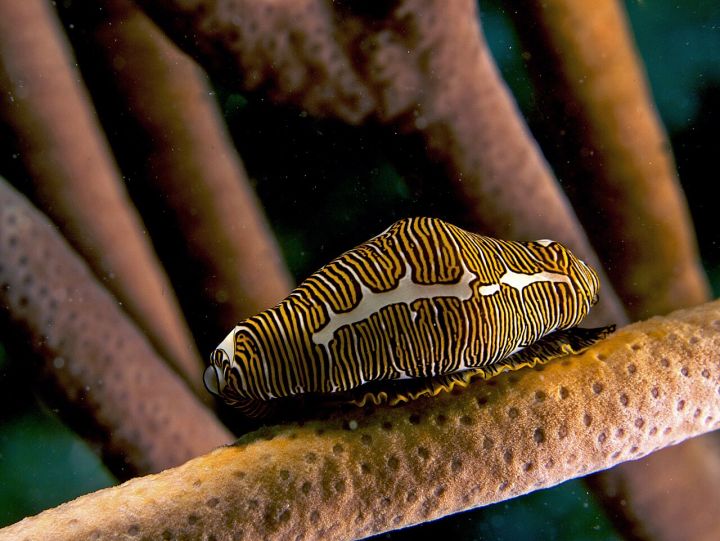
📷 Image: Wikimedia Commons / Nhobgood Nick Hobgood
Science
New Marine Worm Identified in Bay of Bengal, India's First Hypereteone in 90 Years
✍️ Research Matters
🗓 24 Nov 2026, 08:32 PM
👁 24
Scientists have discovered a new species of marine worm in the Bay of Bengal, marking India's first Hypereteone find in more than nine decades.
A team of marine biologists conducting a routine survey in the Bay of Bengal has reported the identification of a previously unknown marine worm. The specimen, collected from deep‑water sediments, has been classified as a member of the Hypereteone group, a lineage that has not been recorded in Indian waters for over 90 years.
The Hypereteone family is known for its distinctive morphology and ecological role in benthic ecosystems. The last Indian Hypereteone specimen was documented in the early 1930s, making this discovery a rare event that expands the known biodiversity of the region.
Researchers highlighted that the new worm could provide valuable insights into evolutionary adaptations to the Bay's unique environmental conditions. Further genetic analysis and ecological studies are planned to assess its distribution and potential significance for marine conservation efforts.
The finding underscores the importance of sustained oceanographic research along India's eastern seaboard, where many habitats remain under‑explored.