
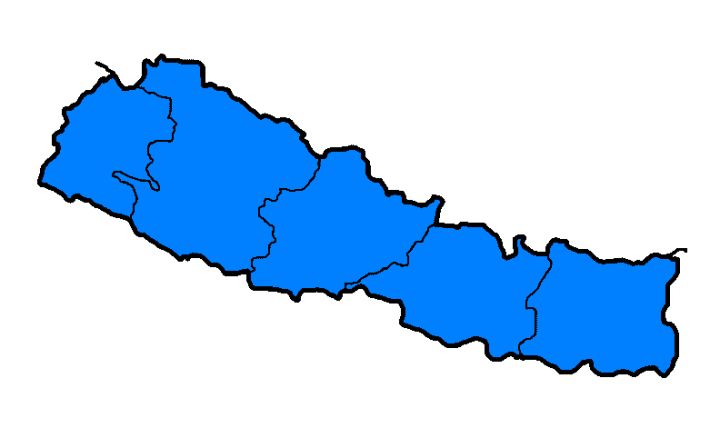
📷 Image: Wikimedia Commons / self, i.e. User:Anameofmyveryown
Weather
Nepal faces reconstruction cost of nearly 10% of GDP after severe floods
✍️ The Times of India
🗓 29 Aug 2026, 02:40 PM
👁 133
The recent devastating floods in Nepal are estimated to require rebuilding expenses amounting to almost a tenth of the country's economy.
Heavy monsoon rains triggered widespread flooding across Nepal, destroying homes, infrastructure and agricultural lands. Preliminary assessments by authorities suggest that the cost of rebuilding could approach ten percent of Nepal's gross domestic product, a figure that underscores the scale of the disaster.
The government has begun mobilising emergency relief, while international agencies are preparing assistance packages to support the recovery effort. Damage to roads, bridges and power lines has disrupted connectivity in several districts, hampering relief operations and daily life.
Economists warn that such a large fiscal outlay may strain Nepal's public finances, potentially affecting development projects and social welfare programmes. The authorities are expected to seek additional funding from donors and multilateral institutions to bridge the financing gap.
Local communities are coping with loss of livelihoods as farmlands remain water‑logged and crops have been washed away. Rehabilitation plans will focus on rebuilding resilient infrastructure and providing temporary shelters for displaced families.
The situation remains fluid, with officials monitoring weather patterns for any further rainfall that could exacerbate the damage, while relief teams continue to distribute food, clean water and medical aid to the affected population.
The government has begun mobilising emergency relief, while international agencies are preparing assistance packages to support the recovery effort. Damage to roads, bridges and power lines has disrupted connectivity in several districts, hampering relief operations and daily life.
Economists warn that such a large fiscal outlay may strain Nepal's public finances, potentially affecting development projects and social welfare programmes. The authorities are expected to seek additional funding from donors and multilateral institutions to bridge the financing gap.
Local communities are coping with loss of livelihoods as farmlands remain water‑logged and crops have been washed away. Rehabilitation plans will focus on rebuilding resilient infrastructure and providing temporary shelters for displaced families.
The situation remains fluid, with officials monitoring weather patterns for any further rainfall that could exacerbate the damage, while relief teams continue to distribute food, clean water and medical aid to the affected population.