
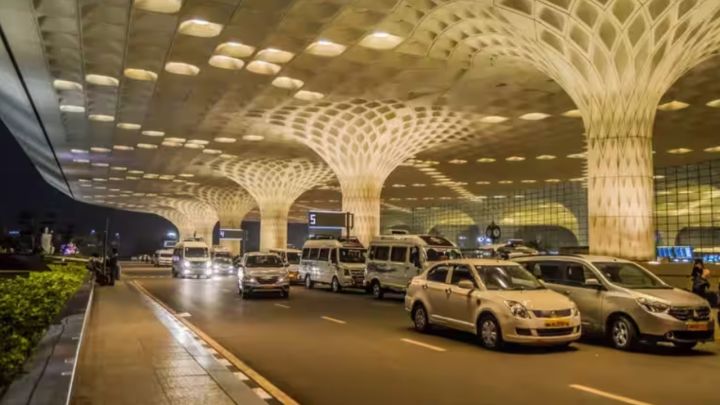
📷 Image: TOI City (via NewsData)
Business
Mumbai T2 Capacity Cuts: MIAL Asks Airlines to Reroute or Halt Flights
✍️ TOI City
🗓 20 Oct 2026, 12:48 PM
👁 15
Mumbai International Airport Ltd has requested carriers to reduce capacity at Terminal 2 starting summer 2027 due to the Terminal 1 revamp, offering Navi Mumbai as an alternative.
Mumbai International Airport Ltd (MIAL) has issued a directive to airlines operating out of Mumbai, asking them to curb traffic at Terminal 2 beginning in the summer of 2027. This capacity reduction is directly linked to the ongoing redevelopment and revamp of Terminal 1. As a result, carriers are facing a critical decision: they must either reroute a portion of their flights to Navi Mumbai or halt operations at the affected terminal entirely.
In a statement to stakeholders, MIAL assured that the reduction is temporary. The airport authority clarified that all previous flight slots will be reinstated by 2030, once the redevelopment of Terminal 1 is finalized and fully operational. This timeline aims to ensure that long-term connectivity is not compromised despite the short-term logistical challenges.
However, the Airline Operators Committee has voiced strong objections to the proposed changes. The committee has criticized the move as a unilateral adjustment of slots, arguing that such significant operational changes require broader consensus and dialogue with airline partners rather than top-down directives. The dispute highlights the growing tension between airport infrastructure upgrades and commercial aviation interests in India's busiest air hub.