
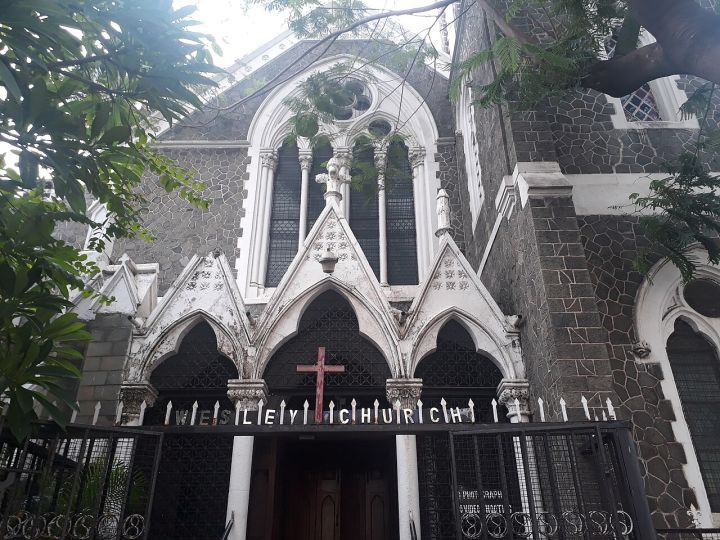
📷 Image: Wikimedia Commons / Pinakpani
Religion
Mumbai Churches Counter Anticonversion Bill Using Consent Forms
✍️ Christianity Today
🗓 05 Sep 2026, 03:18 PM
👁 58
Churches in Mumbai are responding to the state's anti‑conversion legislation by introducing consent forms for religious activities.
Mumbai's Christian community has begun using written consent forms as a tactic to navigate the newly introduced anti‑conversion legislation. The churches argue that the documentation will help demonstrate that any religious conversion is voluntary, thereby complying with the law's requirements. Legal experts note that the approach seeks to protect congregants' rights while avoiding potential penalties under the bill. The move reflects growing concerns among minority faith groups about the impact of the law on religious freedom. Authorities have not yet commented on the churches' strategy, and the situation remains under close observation.
The consent‑form initiative is being coordinated by several major churches in the city, which are urging members to sign the documents before participating in any conversion‑related activities. Organisers say the forms are intended to provide clear evidence of free will, a key factor under the anti‑conversion provisions.
While the churches maintain that the practice is a precautionary measure, critics argue it could create administrative burdens for religious institutions. The debate highlights the broader tension between state regulation and constitutional guarantees of faith.
No arrests or legal actions have been reported so far, and the churches continue to monitor developments closely.
The consent‑form initiative is being coordinated by several major churches in the city, which are urging members to sign the documents before participating in any conversion‑related activities. Organisers say the forms are intended to provide clear evidence of free will, a key factor under the anti‑conversion provisions.
While the churches maintain that the practice is a precautionary measure, critics argue it could create administrative burdens for religious institutions. The debate highlights the broader tension between state regulation and constitutional guarantees of faith.
No arrests or legal actions have been reported so far, and the churches continue to monitor developments closely.