
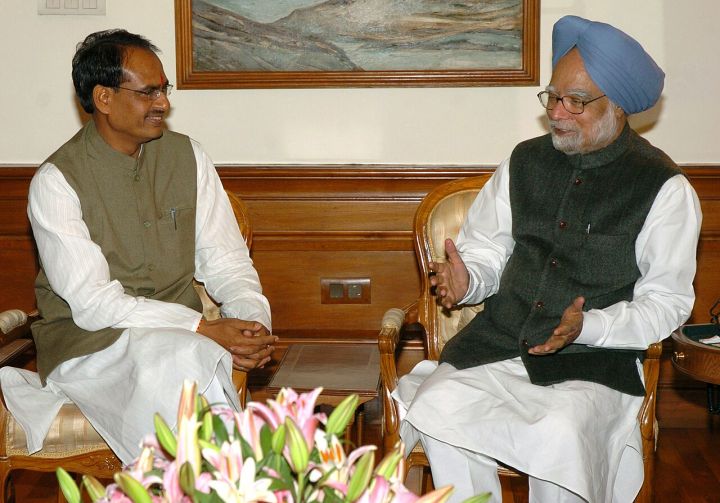
📷 Image: Wikimedia Commons / Prime Minister's Office
Politics
MP Patwari urges CM for fixed tenure policy for IAS, IPS transfers
✍️ Amar Ujala · Bhopal
🗓 10 Nov 2026, 06:15 PM
👁 13
Patwari, a senior official, wrote to the Madhya Pradesh chief minister seeking a minimum two‑year tenure for collectors and SPs and greater transparency on early transfers.
Jitu Patwari, a senior government functionary in Madhya Pradesh, has dispatched a formal letter to Chief Minister Shivraj Singh Chouhan urging the state to adopt a stable transfer policy for its top bureaucrats. The correspondence highlights the frequent reshuffling of IAS and IPS officers, which Patwari says hampers effective administration.
In the letter, Patwari proposes a minimum two‑year posting for district collectors and superintendents of police, arguing that longer tenures would ensure continuity in governance and better implementation of schemes. He also requests that any premature transfer be accompanied by a public explanation, to promote accountability and reduce speculation.
Patwari points out that, according to his observations, an IAS officer is transferred roughly every two days in the state, a rate he describes as unsustainable. He warns that such volatility undermines institutional memory and erodes public confidence in the administration.
The chief minister’s office has not yet issued a response, while opposition parties have seized on the issue to demand greater transparency in bureaucratic appointments. Analysts suggest that a fixed‑tenure rule, if enacted, could stabilize district‑level leadership and improve service delivery.
The proposal adds to a growing national debate on bureaucratic transfers, with several states considering reforms to balance administrative flexibility with the need for policy continuity.