
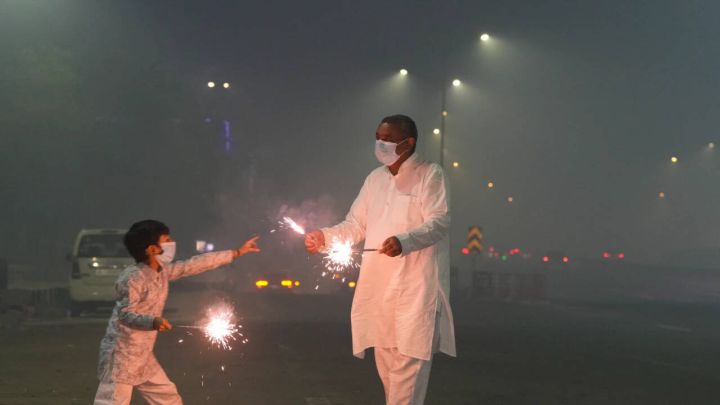
📷 Image: TOI India (via NewsData)
Weather
Missing PM2.5 data may have hidden 49% rise in Delhi’s Diwali pollution
✍️ TOI India
🗓 12 Nov 2026, 08:04 AM
👁 14
A study by the Centre for Research on Energy and Clean Air suggests that the lack of PM2.5 readings on Diwali night could have understated Delhi’s average pollution by up to 49%.
On the night of Diwali, several air‑quality monitoring stations in Delhi failed to record PM2.5 concentrations, creating a gap in the official pollution data. The Centre for Research on Energy and Clean Air (CRECA) analysed the missing information and estimated that the city’s average particulate matter level could have been as much as 49% higher than the figures released by authorities.
The Central Pollution Control Board (CPCB) acknowledged that calibration issues at some stations may have contributed to the data shortfall, but it did not quantify the impact. Meanwhile, the Delhi Pollution Control Committee (DPCC) published readings that varied considerably from the CPCB’s estimates, raising questions about the reliability of the monitoring network during peak pollution episodes.
CRECA’s findings underscore the importance of robust, real‑time monitoring for public health advisories, especially during festivals that involve firecrackers. Experts warn that under‑reporting of particulate matter can hinder timely mitigation measures and expose residents to higher health risks.
The agency has called for an audit of the city’s monitoring infrastructure and for the deployment of backup sensors to ensure continuous data capture during future high‑pollution events.