
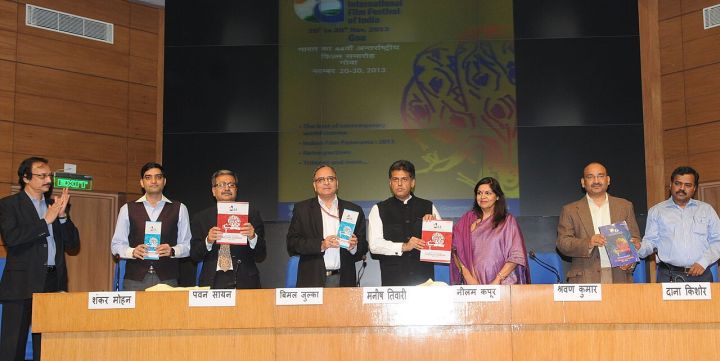
📷 Image: Wikimedia Commons / Ministry of Information and Broadcasting
Politics
MIB tells TV channels to curb sensationalism and limit AI to assistive use
✍️ BMI
🗓 22 Oct 2026, 04:02 AM
👁 16
The Ministry of Information and Broadcasting has advised television broadcasters to avoid sensational reporting and to use artificial intelligence only for assistive purposes, according to a BMI release.
New Delhi – The Ministry of Information and Broadcasting (MIB) issued a directive urging television channels across the country to steer clear of sensationalist coverage. The advisory stresses that newsrooms should prioritize factual reporting and avoid content that could inflame public sentiment.
In addition, the ministry highlighted the growing role of artificial intelligence in media production, but cautioned that AI tools should be employed solely for assistive tasks such as transcription, captioning, or data analysis. It warned against using AI to generate or amplify news stories without human editorial oversight.
The MIB’s guidance, released through a BMI statement, reflects ongoing concerns about the impact of sensationalism on social harmony and the ethical use of emerging technologies in journalism. Broadcasters are expected to incorporate these recommendations into their editorial policies promptly.
The ministry has not announced any penalties for non‑compliance at this stage, but indicated that continued deviation could attract regulatory scrutiny under existing broadcasting norms.