
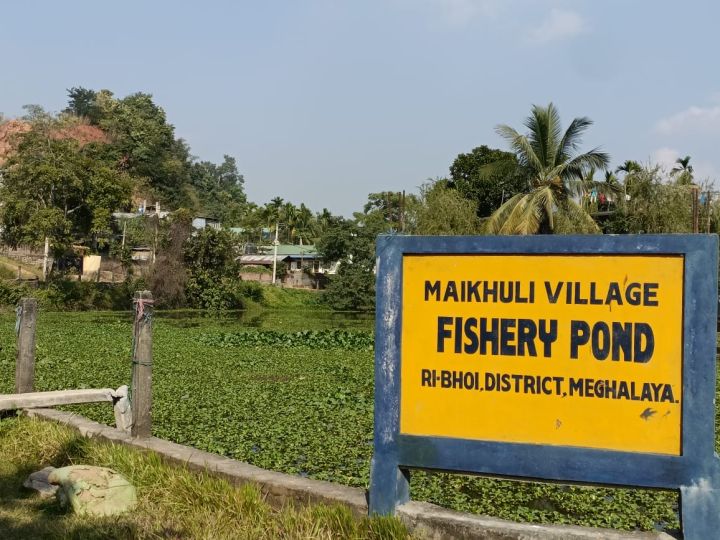
📷 Image: Wikimedia Commons / Van1905
Agriculture
Meghalaya fishery officers trained in rapid fish adulterant detection
✍️ Hub News
🗓 25 Sep 2026, 07:17 PM
👁 9
Fishery officers in Meghalaya underwent a short‑term training program on rapid detection techniques for fish adulterants, aiming to strengthen food safety monitoring in the state.
Meghalaya's Department of Fisheries organized a focused training session for its officers on the use of rapid detection methods to identify adulterants in fish products. The program, conducted over two days, introduced portable testing kits and streamlined protocols that enable field officers to assess fish quality quickly and accurately.
Participants were briefed on common adulterants such as harmful chemicals, unauthorized preservatives, and substandard fish species that may enter the market. Practical demonstrations allowed officers to handle the equipment, interpret results, and report findings to higher authorities.
The initiative reflects the state's effort to curb food safety violations and protect consumers, especially in rural and coastal markets where fish is a dietary staple. Officials expect that the new capabilities will lead to faster enforcement actions and reduce the circulation of unsafe fish.
State fisheries officials plan to roll out similar training across other districts and integrate the rapid testing approach into routine inspections, thereby enhancing overall compliance with national food safety standards.
Participants were briefed on common adulterants such as harmful chemicals, unauthorized preservatives, and substandard fish species that may enter the market. Practical demonstrations allowed officers to handle the equipment, interpret results, and report findings to higher authorities.
The initiative reflects the state's effort to curb food safety violations and protect consumers, especially in rural and coastal markets where fish is a dietary staple. Officials expect that the new capabilities will lead to faster enforcement actions and reduce the circulation of unsafe fish.
State fisheries officials plan to roll out similar training across other districts and integrate the rapid testing approach into routine inspections, thereby enhancing overall compliance with national food safety standards.