
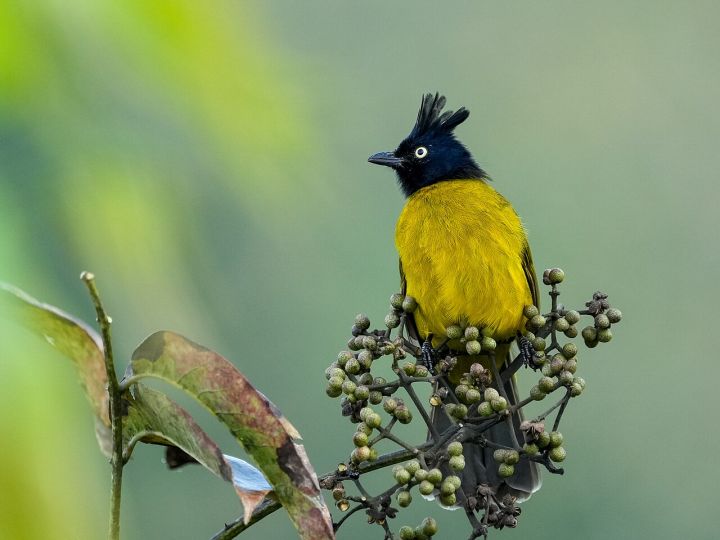
📷 Image: Wikimedia Commons / This Photo was taken by Timothy A. Gonsalves. Fee
Weather
Meghalaya experiences hottest year on record since 1901, IMD says
✍️ India Today NE
🗓 07 Nov 2026, 04:37 PM
👁 22
The Indian Meteorological Department's 2025 report shows Meghalaya recorded its highest temperature average since records began in 1901.
The Indian Meteorological Department (IMD) has released a climate assessment indicating that 2025 was the warmest year ever recorded in Meghalaya since the agency began systematic observations in 1901. The conclusion is drawn from temperature data collected at multiple weather stations spread across the state, which together show a clear rise in the annual mean temperature for the year.
Compared with previous decades, the 2025 average temperature surpassed the earlier record year, underscoring a persistent warming trend in the region. While the report does not attribute a single cause, scientists link the upward shift to broader patterns of global climate change affecting the Indian subcontinent.
The IMD cautioned that higher temperatures could have far‑reaching impacts on Meghalaya's fragile ecosystems, agricultural productivity, and water availability. Authorities are urged to intensify climate‑adaptation strategies, improve monitoring networks, and raise public awareness about heat‑related risks.
The department emphasized the need for continued data collection and analysis to better understand regional climate dynamics and to inform policy responses aimed at mitigating adverse effects.