
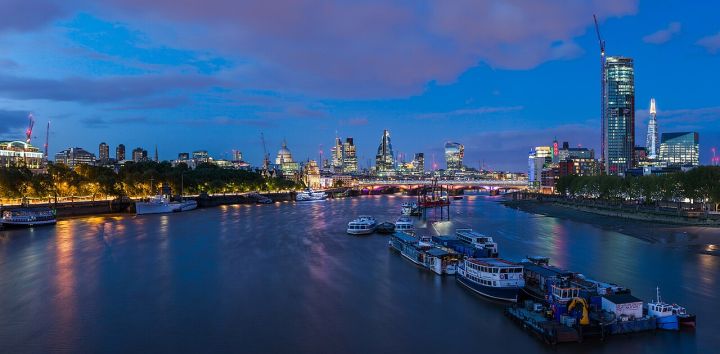
📷 Image: Wikimedia Commons / Diliff
International
London’s Air Quality Deteriorates, Highlighting Contrast with Delhi’s Pollution
✍️ India Today
🗓 11 Nov 2026, 09:33 PM
👁 31
Recent measurements show a sharp rise in particulate matter across London, prompting concerns as the capital’s air quality worsens, while Delhi continues to grapple with chronic pollution levels.
Air quality monitoring agencies in the United Kingdom have reported a noticeable increase in fine particulate matter and nitrogen dioxide concentrations over the past weeks in London. The rise has pushed the city’s Air Quality Index into the ‘moderate’ to ‘unhealthy for sensitive groups’ range, prompting health advisories for residents, especially those with respiratory conditions.
The deteriorating situation in the British capital stands in stark contrast to the long‑standing pollution challenges faced by India’s capital, New Delhi, where air quality regularly falls into the ‘unhealthy’ or ‘very unhealthy’ categories. While London’s spike is described as a recent reversal of a gradual improvement trend, Delhi continues to battle chronic emissions from traffic, industry and seasonal agricultural burning.
Experts note that weather patterns, such as stagnant air and lower wind speeds, are contributing to the temporary surge in London, whereas Delhi’s problem is compounded by a combination of urban density and seasonal factors. Both cities have urged citizens to limit outdoor activities during peak pollution hours and to use protective masks where necessary.
Authorities in London are reviewing traffic restrictions and encouraging a shift to low‑emission public transport to curb the rise, while Delhi’s environmental agencies remain focused on longer‑term strategies, including stricter vehicle norms and expanded green cover.